

Reports | February 14, 2026 | Personal Injury
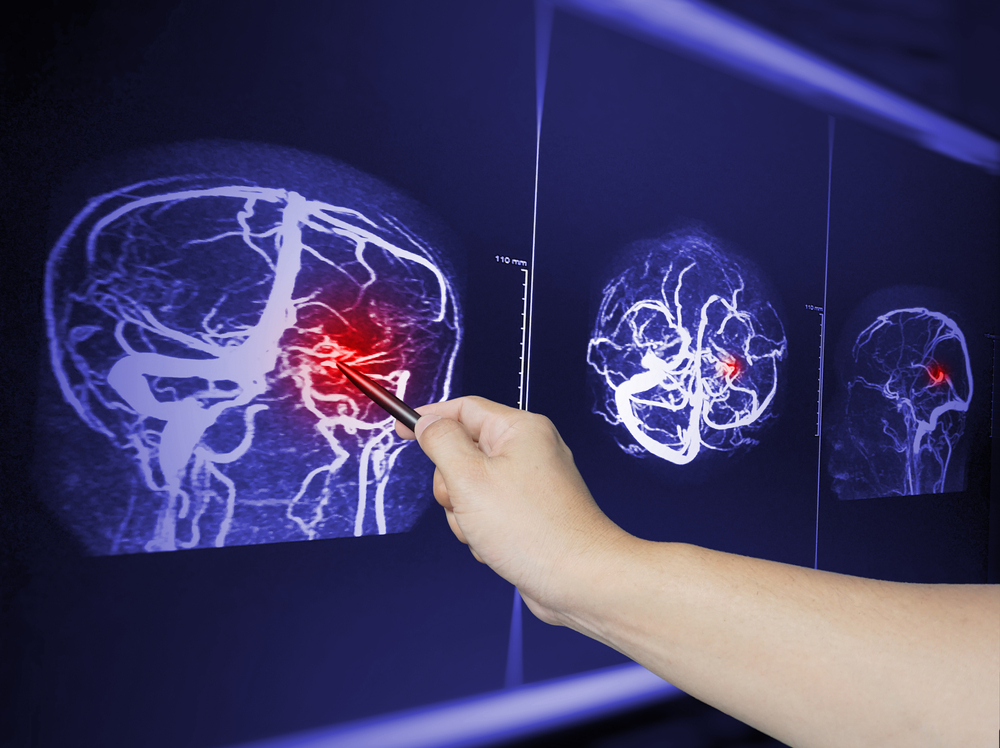
If you suffered a brain injury in an accident and you also have a history of prior concussions or neurological issues, it’s natural to worry about how that history might affect your ability to seek compensation from the person who caused your accident. Many injured people ask whether a pre-existing condition disqualifies them from bringing a claim, or whether an insurance company can simply blame their symptoms on the past.
Under Florida law, having a pre-existing condition does not automatically prevent recovery for a traumatic brain injury (TBI), which is why speaking with an Ocala traumatic brain injury lawyer can be important. What matters is whether the accident caused a new injury, worsened an existing condition, or triggered symptoms that had previously resolved.
Keep reading to understand how Florida law addresses accident claims involving pre-existing conditions and what really matters in a subsequent brain injury claim.
Key Takeaways About How Pre-Existing Conditions Can Impact a Brain Injury Claim
- A pre-existing condition does not bar a brain injury claim in Florida.
- Florida follows the eggshell plaintiff doctrine, which protects individuals with pre-existing vulnerabilities who have been injured.
- Compensation may be available for aggravation or worsening of a pre-existing brain condition.
- Courts focus on changes that occur after the accident, rather than relying solely on medical history.
- Medical timelines and documentation are often used to distinguish old conditions from new harm.
- Insurance companies frequently raise pre-existing conditions as a defense, but that does not end the analysis.
What Counts as a Pre-Existing Condition in a Brain Injury Claim?

A pre-existing condition is any injury, illness, or impairment that existed before the accident in question. In brain injury cases, this may include:
- A prior concussion
- A previous traumatic brain injury
- Neurological conditions
- Past head trauma from sports or earlier accidents
- Cognitive or memory issues that predate the incident
Importantly, a pre-existing condition does not need to be active or symptomatic at the time of the accident to be raised as an issue later.
Common Misconceptions About Pre-Existing Conditions
Some common misunderstandings include:
- “A prior concussion means I can’t file a claim for the injuries I sustained recently.”
- “The insurance company won’t have to pay for my current condition if I had similar symptoms before.”
- “Only brand-new injuries count as damages in my pending claim.”
Florida law does not support these assumptions. Each case is different, but with the right legal guidance, you may bring a claim against the negligent party that caused your accident for more compensation than you expect.
A skilled traumatic brain injury lawyer will review your current injuries, your medical history, including any similar prior injuries and whether those problems were resolved, how the most recent accident impacted you, and whether your prior injuries were aggravated, to help place a value on the brain injury compensation claim you can file now.
Will My Prior Concussion Ruin My Case?
Many people worry that a past head injury—even one from years ago—means they cannot pursue a new brain injury claim. This concern is understandable, but Florida law does not work that way.
The legal system recognizes that many people who are injured in accidents do not have perfectly clean medical histories. The key question is not whether you had a prior condition, but whether the accident caused new harm or worsened your condition.
What is Florida’s Eggshell Plaintiff Doctrine?
Florida follows what is commonly referred to as the “eggshell plaintiff” doctrine. In simple terms, this rule means:
- A negligent person who causes an injury must take the injured person as they find them. The insurance company can’t argue that the injured person was unusually vulnerable due to a prior condition and should receive less compensation as a result.
- If someone is more vulnerable to injury due to a prior condition, the at-fault party remains responsible for the full extent of harm caused by their actions, even if a healthier person might have suffered less damage.
- Applied to brain injury cases, this means a negligent person cannot avoid responsibility simply because the injured individual had a prior concussion or neurological vulnerability.
How Florida Law Addresses Aggravated Brain Injuries
Florida law allows injured people to seek compensation from an at-fault party when an accident aggravates, accelerates, or worsens a pre-existing condition. An aggravated brain injury may involve:
- A return of symptoms that had previously resolved
- More severe or persistent cognitive issues
- New limitations layered on top of old ones
- Increased frequency or intensity of symptoms
The law recognizes that aggravation itself is a compensable injury in cases involving a traumatic brain injury under Florida law. A dedicated brain injury attorney can help gather evidence of how the accident aggravated the prior condition and place a dollar value on the aggravation itself.
New Injury vs. Old Condition: How the Law Draws the Line
One of the most important questions in a pre-existing condition TBI claim in Florida is whether the accident caused a new injury, an aggravation, or no meaningful change at all. Courts and insurers often look at:
- The injured person’s condition before the accident
- Their condition immediately after the accident
- How symptoms changed over time
- Whether new limitations appeared
- Whether old symptoms became worse or more frequent
This comparison over time, often referred to as a medical or symptom chronology, is central to the legal analysis. An injured claimant can help build a strong case by keeping a journal that describes their symptoms, limitations, and changes in condition after the accident caused by the negligent party.
Why Medical History Alone Is Not Enough to Deny a Claim
Insurance companies often emphasize prior medical records to suggest that current symptoms are unrelated to the accident. However, Florida courts generally require more than just a past diagnosis to defend against a new claim successfully.
A prior concussion from years earlier does not automatically explain or reduce new problems, such as:
- Difficulty concentrating
- Memory issues
- Increased headaches
- Emotional or behavioral changes
- Reduced ability to work or study
After a crash or fall involving a head injury, the focus must be on what changed as a result of the accident.
“Can I Still Get Compensation if I Had a Concussion Five Years Ago?”
Yes, potentially. The timing and nature of the prior concussion, your recovery after that injury, and any ongoing traumatic brain injury symptoms until the time of the most recent accident are key factors in determining the amount of compensation you can receive now.
If you:
- Fully recovered from the earlier concussion
- Had no ongoing symptoms before the accident
- Experienced new or worsened symptoms after the recent injury
Florida law may still allow compensation for the new harm or aggravation. Even if some symptoms existed before, an accident that makes them worse may still support a claim. Talk to a knowledgeable brain injury lawyer to fully understand your unique rights and options.
How Attorneys Use Medical Chronology in Brain Injury Cases
While attorneys do not provide medical opinions, they often rely on timelines to clarify what happened and when. With a clear medical chronology, your legal team can build a strong case to support your legal right to recover your losses related to an exacerbation of your prior condition.
A medical chronology may examine:
- Pre-accident medical records
- Post-accident treatment
- Gaps in symptoms or care
- Changes in daily functioning
- Work or academic performance before and after the accident
This approach helps distinguish between a stable pre-existing condition and a newly aggravated injury.
The Role of Function and Daily Life Impact
Florida courts often focus less on specific diagnoses and more on the functional impact the accident has on the injured person’s life and abilities.
In brain injury cases, the court can consider changes in:
- Work performance
- Academic ability
- Memory or focus
- Emotional regulation
- Independence in daily activities
If an accident causes a noticeable decline in function, that change may be legally significant and valuable even if a prior condition existed.
Why Insurance Companies Focus on Pre-Existing Conditions

Insurance companies are for-profit corporations that are mostly concerned about their bottom lines. The adjuster’s goal is not to pay injured people large settlements; they want to minimize the policyholder’s responsibility and liability, however they can.
Claiming an injured person had pre-existing conditions is a common defense strategy because the insurer can:
- Create doubt about what caused the injury and losses
- Reduce the perceived value of a claim
- Shift the blame away from the insured, at-fault party
- Support arguments that the current symptoms were inevitable due to the prior condition
However, raising a pre-existing condition does not automatically relieve an at-fault party of responsibility under Florida law. A tenacious Florida injury lawyer can fight to minimize any pre-existing condition argument and show the true value of your current claim.
Pre-Existing Conditions and Florida’s Serious Injury Threshold
In some cases, meeting Florida’s serious injury threshold is necessary to recover certain types of damages. Even if you have a pre-existing condition, you may be able to meet this threshold if the accident resulted in:
- A permanent worsening of symptoms
- New functional limitations
- Long-term impairment layered onto an existing condition
The legal analysis centers on what the accident changed—not what existed before.
Can Prior Head Injuries in Sports and Youth Activities Impact an Accident Claim?
Many people in Florida have a history of concussions from sports, recreational activities, or earlier accidents. These prior injuries are common and do not automatically disqualify someone from bringing a claim later in life.
Courts recognize that:
- A healed injury may leave residual vulnerability
- A new accident may cause new and disproportionate harm
- Responsibility still lies with the negligent party that caused the new injury
This is a direct application of the eggshell plaintiff doctrine.
Gaps in Treatment and Why They Matter
When there is a gap in an injured person’s medical treatment after an accident, insurers may argue that the person’s symptoms or diagnosed injuries are unrelated to the accident or exaggerated by the claimant. However, treatment gaps do not necessarily mean an injury was insignificant.
There are many reasons why an injured person may delay care, including:
- Financial concerns and the inability to pay for ongoing medical care, while losing income from missed work
- The belief that their symptoms would resolve on their own
- Work or school obligations
- Lack of immediate diagnosis, which is common in head injury cases, where symptoms may not appear for days after an accident
Florida courts often consider the broader context rather than drawing conclusions solely from treatment gaps. Your legal advocate should provide evidence to explain any questions about your medical care and progress.
Evidence That Helps Clarify Pre-Existing Conditions vs. New Injuries
Strong evidence can help clarify how an accident affected someone with a prior condition. This may include:
- Medical records showing symptom changes
- Employment or academic records
- Testimony from family or coworkers
- Documentation of new limitations
- Consistent reporting of symptoms over time
The goal is to show how your life looked just before the accident compared to after, and to connect those changes to the negligence of the at-fault party.
Why These Claims Can Be More Complex—but Still Valid
Brain injury claims involving pre-existing conditions are often more complex because they require a careful explanation of timelines and impact, especially if you decide to file a brain injury lawsuit. Legal complexity does not mean your case is weak. A dedicated legal team will fight to explain why your prior condition should not reduce the value of your current claim.
Remember, Florida law allows for financial recovery when an accident causes real harm, even if the injured person was not in perfect health to begin with.
FAQs About Pre-Existing Conditions and Brain Injury Claims in Florida
Can a pre-existing condition completely bar a brain injury claim?
No. A pre-existing condition does not automatically prevent recovery under Florida law.
What if similar symptoms existed before but are worse now?
Worsening or aggravation of a pre-existing condition may still support a claim for compensation.
Do I have to prove the accident caused all of my symptoms?
Not necessarily. Florida law allows recovery for the portion of harm caused by the accident, including aggravation of prior issues.
Are cases involving pre-existing conditions harder to prove?
They may require more explanation and professional medical analysis, but they are not impossible to win simply because a pre-existing condition exists.
The Team at Steven A. Bagen & Associates Can Help You Understand Your Options After a Brain Injury in Florida

Living with a brain injury is challenging enough without worrying that your past medical condition will be used against you. Florida law recognizes that accidents can cause serious harm even to people who have already experienced prior injuries or vulnerabilities.
At Steven A. Bagen & Associates, P.A., we help injured individuals understand how pre-existing conditions are evaluated in Florida brain injury claims and how the law protects people whose injuries were worsened by someone else’s negligence. If you have questions about a brain injury claim involving a prior condition, contact our firm for a free consultation to learn more about your options and next steps.
We have been Fighting for Florida’s Injured® for more than 40 years. Call us at (800) 800-2575 to learn how we can fight for you.