

Reports | February 8, 2026 | Slip and Fall Accidents
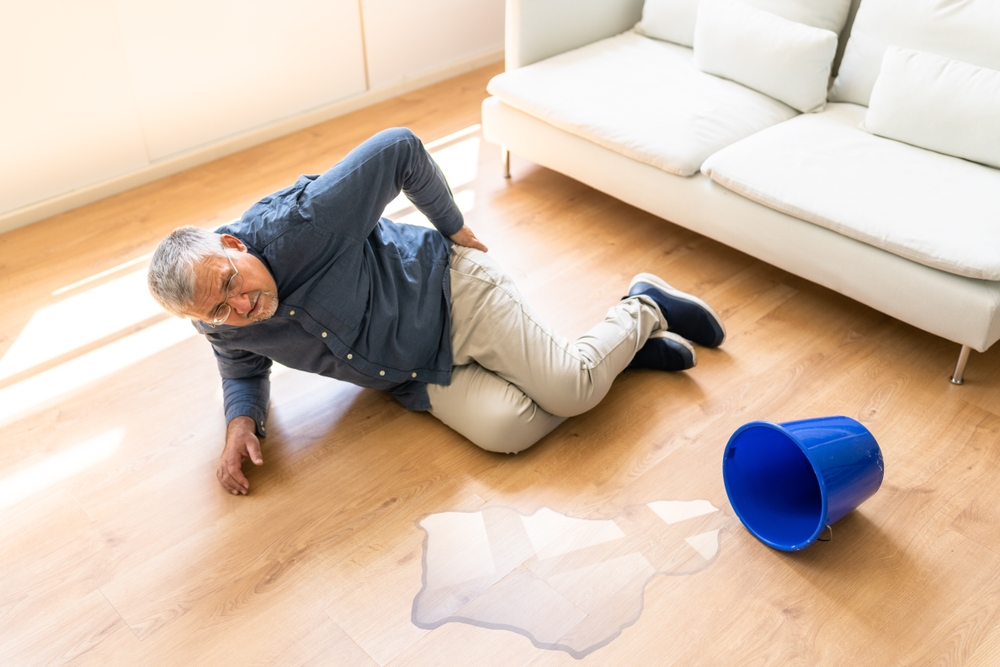
Slip and fall accidents at apartment complexes near the University of Florida often raise different legal questions than injuries that occur in stores, restaurants, or private homes. Whether the injured person is a student, long-term tenant, or visitor, Florida law applies distinct standards to apartment complex cases, especially when the fall happens in a shared or poorly maintained area.
If you were hurt at an apartment complex near UF and are wondering whether your landlord or property manager may be responsible, speaking with a Gainesville Slip and Fall Accident Lawyer and understanding how Florida law divides responsibility between landlords and tenants can help clarify why these cases are treated differently.
Key Takeaways About Slip and Fall Claims in University of Florida Apartments
- Apartment complex slip and fall cases often depend on where the fall occurred.
- Landlords generally have a duty to maintain common areas in a reasonably safe condition.
- Tenants are typically responsible for the condition of their own units.
- Student housing near the University of Florida presents unique maintenance and safety challenges.
- Proving that the landlord had notice and control is critical in premises liability cases.
- Maintenance records and lease agreements play a major role in determining who may be held responsible for your fall injuries.
Why Apartment Complex Slip and Fall Cases Are Treated Differently
Unlike retail businesses that invite the general public inside, apartment complexes are residential properties governed by Florida landlord-tenant law. This means liability often turns on control and responsibility, rather than purely commercial premises standards.
Florida law recognizes that landlords and tenants have different legal obligations depending on:
- Whether the area is shared or private
- Who controls maintenance and repairs
- Whether the hazard was known or should have been known
Near the University of Florida, where many apartment complexes house students and short-term renters, these distinctions become especially important in slip and fall cases.
Where the Fall Happened Often Determines Liability
One of the first questions in any apartment complex slip and fall case is where the accident occurred. Let’s consider the following locations to explain who may be held responsible:
Common Areas
Common areas are spaces shared by multiple tenants and guests, such as:
- Stairwells
- Hallways and lobbies
- Sidewalks and walkways
- Parking lots and garages
- Laundry rooms
- Clubhouses and fitness centers
- Pool decks
In most cases, landlords or property managers are responsible for maintaining these areas in a reasonably safe condition.
Inside the Apartment Unit
Inside individual apartments, responsibility may shift to the tenant, depending on the lease and the nature of the hazard. Issues caused by a tenant’s own belongings or activities may not create landlord liability unless the landlord was aware of a dangerous condition and failed to take action. If the fall was caused by a structural issue or maintenance problem within the unit, liability might extend back to the property owner or manager.
“I Fell at My Apartment—Who Is Liable Under Florida Law?”
This is a common and understandable question after an injury. In general:
- Landlords are responsible for maintaining common areas
- Tenants may be responsible for conditions inside their own units
- Property managers may share responsibility if they control maintenance
- Third-party contractors may be involved if repairs were improperly handled
Legal liability in slip and fall claims depends on who had control over the area where the fall happened, who was legally required to maintain the area, and whether reasonable care was exercised. A skilled premises liability legal team will perform a thorough investigation to determine every person who may be held liable based on the unique circumstances of your accident.
What are Common Landlord Responsibilities for Apartment Properties in Florida?
Under Florida law, landlords have a duty to maintain all common areas in a condition that is reasonably safe for tenants and lawful visitors. This includes the obligation to:
- Repair broken stairs or railings
- Address uneven walkways
- Provide adequate lighting
- Prevent water accumulation
- Fix known hazards within a reasonable time
If a landlord fails to maintain these areas and someone is injured as a result, they may be held liable for the injured victim’s accident-related losses.
Are Broken Stairs and Structural Hazards More Common Near UF Housing?
Student housing near the University of Florida often features exterior staircases, balconies, and elevated walkways. These structures are exposed to:
- Heavy foot traffic
- Weather-related wear
- Frequent move-ins and move-outs
Broken steps, loose handrails, or deteriorating materials are common sources of injuries and may give you grounds to file a claim for a slip and fall. If a landlord knew or should have known about these conditions and failed to repair them, they may be legally responsible for any harm suffered by a tenant or their guests.
What Does it Mean to Have Notice in Apartment Complex Slip and Fall Cases?
As with other premises liability claims, notice plays a key role in apartment complex cases. An injured person must be able to prove the property owner or manager had actual or constructive knowledge of a dangerous condition and failed to take action to remedy it.
Notice may be established if:
- Tenants previously complained about the hazard
- The condition existed long enough to be discovered
- Maintenance requests were ignored
- Inspection records show delayed repairs
In high-density student housing, repeated issues with the same stairwell or walkway may support the argument that the landlord should have been aware of the danger and fixed the problem before the accident occurred. If a person who was injured in a fall on the premises can prove the landlord had “constructive knowledge,” the landlord may be held liable for the financial losses caused by the fall.
How Lease Agreements Affect Slip and Fall Claims
Lease agreements typically outline the maintenance responsibilities between landlords and tenants. These documents may specify:
- Who handles repairs
- How maintenance requests are submitted
- Which areas the landlord controls
- Tenant obligations for cleanliness or reporting hazards
While lease terms are important, landlords generally cannot avoid responsibility for maintaining common areas solely through contract language.
Student Housing Near UF Comes With Unique Challenges
Apartment complexes near the University of Florida often cater to students, which can affect safety conditions in several ways. Student housing situations usually involve:
- High occupancy rates
- Frequent guest traffic
- Parties and social gatherings
- Accelerated wear and tear
- Short-term leasing cycles
These factors can increase the likelihood of hazards developing in common areas and raise questions about whether landlords are taking adequate steps to inspect and repair shared spaces.
Parking Lot and Walkway Falls at Apartment Complexes
Many apartment complex slip and fall claims involve outdoor areas such as:
- Parking lots
- Sidewalks
- Curb ramps
- Bike paths
Common outside hazards include uneven pavement, potholes, poor lighting, and standing water, all of which can make a property owner liable in a slip and fall accident. Because these areas are typically under landlord or management control, legal responsibility to maintain and repair often rests with the property owner or manager.
Poor Lighting and Visibility Issues
Inadequate lighting is a frequent factor in apartment complex falls, particularly near UF, where residents may come and go at all hours. Lighting problems may include:
- Burned-out bulbs
- Poorly placed fixtures
- Insufficient illumination in stairwells
- Shadows obscuring hazards
If lighting issues contributed to a fall, they may strengthen arguments that the premises were not reasonably safe for those legally on the property.
Maintenance and Inspection Practices Matter
Landlords are generally expected to conduct reasonable inspections of common areas. To determine whether a landlord can be held liable for an apartment complex accident, courts may consider:
- How often inspections occurred
- Whether problems were documented
- How quickly repairs were made
- Whether similar incidents occurred previously
In student housing environments, reasonable care may require more frequent inspections due to higher usage.
Can Property Management Companies Be Responsible For Someone’s Accident?

Many apartment complexes near the University of Florida are operated by property management companies rather than individual owners. If a management company:
- Controls maintenance decisions
- Oversees inspections
- Handles repair requests
It may share responsibility for unsafe conditions that lead to injuries. These companies are another possible source of insurance coverage that can help your legal team recover the maximum amount of compensation possible for your losses.
What If the Tenant’s or Guest’s Actions Contributed to the Accident?
Landlords may argue that the injured person contributed to the fall by:
- Ignoring visible hazards
- Wearing inappropriate footwear
- Running or being distracted
Florida’s modified comparative negligence law may reduce the compensation an injured person receives if the evidence shows that fault is shared among several parties. However, even if the fall victim was partially responsible, that does not automatically bar their recovery.
If the court determines the victim’s fault exceeds 50%, they cannot receive compensation from other liable parties. If the victim is found to be 50% or less at fault, they can recover their losses from the other responsible parties; however, any award will be reduced by the amount of fault assigned to the victim.
Gather Evidence That Can Strengthen an Apartment Complex Slip and Fall Claim
Helpful evidence that may support your slip and fall claim may include:
- Photos or videos of the hazard
- Maintenance requests or complaint records
- Witness statements from neighbors
- Surveillance footage
- Incident reports
- Lease agreements
- Medical records
Prompt investigation and evidence preservation can be especially important when hazards are repaired quickly after an incident, which is one reason need a lawyer after a slip and fall. Consult with a dedicated premises liability attorney to help you obtain the evidence you will need to build a strong case.
Why These Cases Can Be More Complicated Than They Appear
Apartment complex slip and fall cases near UF can be complex because they often involve:
- Multiple responsible parties
- Disputes over control and notice
- High tenant turnover
- Complex maintenance arrangements
These factors can make determining liability more challenging than in cases where someone is injured in single-occupancy properties.
FAQs About Apartment Complex Slip and Fall Cases Near UF
Can I pursue a claim if I fell in a common area at my apartment complex?
Yes. Landlords generally have a duty to maintain common areas in a reasonably safe condition for tenants and visitors. If the lack of maintenance contributed to your fall, the landlord may be responsible for your losses.
What if I fell inside my own apartment?
Liability depends on the cause of the hazard and whether the landlord knew or should have known about it. Certain interior conditions, such as faulty wiring or plumbing, may still be the landlord’s responsibility.
Does falling in student housing change my rights?
No. Students generally have the same legal protections as other tenants. However, student housing conditions may affect how maintenance and safety issues are evaluated. Consult with an experienced slip and fall attorney to discuss your specific situation and better understand your rights.
What if I had complained about the hazard before my fall?
Prior complaints may help you establish that the landlord had notice of the problem that led to your accident. This is a crucial factor in determining a landlord’s responsibility and holding them liable for your losses.
Are apartment complex cases harder to win than store slip-and-fall cases?
They can be more complex because responsibility depends on factors such as who had control of the property, lease terms, and maintenance practices, rather than a single business owner. A seasoned apartment complex fall attorney can listen to your story and explain your chances of bringing a successful claim.
To Understand Your Options After a Slip and Fall Near the UF Campus, Reach Out to the Team at Bagen Law Accident Injury Lawyers

Slip and fall injuries at apartment complexes can disrupt your education, work, and daily life, especially when student housing conditions are involved. Near the University of Florida, these cases require a careful evaluation of landlord duties, common-area responsibilities, and maintenance practices.
At Bagen Law Accident Injury Lawyers, P.A., we help injured individuals understand how Florida law applies to apartment complex slip and fall cases and fight for their right to compensation from the responsible parties. If you were hurt in student housing or another apartment complex near UF, contact our firm today for a free consultation to learn more about your legal options and next steps.
We have been fighting for Florida’s injured for more than 40 years. Trust us to help you seek the justice and compensation you deserve. Call (800) 800-2575 or fill out our online contact form for a free, no-obligation consultation now.