
Reports | October 5, 2026 | Motorcycle accident
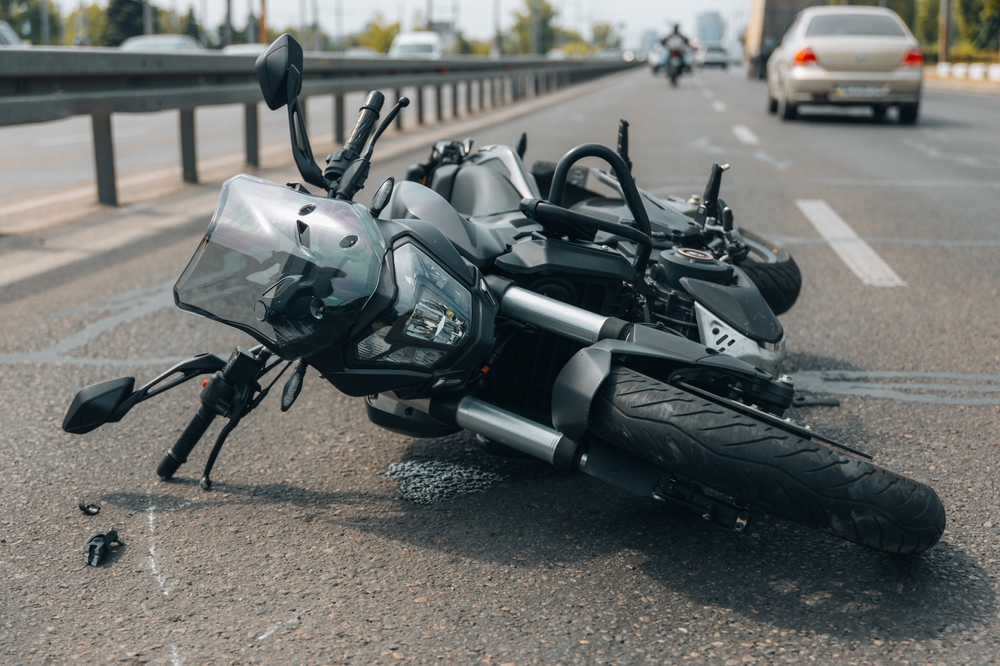
Who Is Liable for a Bike Week Motorcycle Accident in Daytona Beach?
Liability for a Bike Week motorcycle accident rests with whoever caused the collision, and that is often a motorist who failed to yield rather than the rider.
- Left-turn and lane-change collisions are the patterns we see most during the event.
- Out-of-state riders and drivers add insurance complications that local crashes do not have.
- A bar, venue, or event vendor can sometimes share responsibility.
- Florida’s comparative negligence rule reduces recovery by the injured person’s share of fault.
Evidence disappears quickly once the crowds leave town, which makes early action unusually important.
Every March, Daytona Beach becomes one of the busiest motorcycling destinations in the country, and Bike Week motorcycle accidents rise along with the traffic. Riders come from all over the country to spend roughly 10 days on Main Street, Beach Street, and the loop out toward the Daytona International Speedway. The riding is a pleasure. The claims that follow a collision are considerably more complicated than an ordinary Volusia County crash.
At Bagen Law Accident Injury Lawyers, our Daytona Bike Week accident lawyers have represented riders injured during this event for many years, and the same issues surface each time. Understanding them ahead of a crash is far better than learning them afterward.
Key Takeaways about Bike Week Motorcycle Accidents in Daytona Beach
- Bike Week concentrates heavy motorcycle and vehicle traffic into a compact area of Daytona Beach for roughly 10 days each March.
- Out-of-state riders and drivers frequently bring insurance policies written under other states’ rules, which affects available coverage.
- Florida does not require motorcyclists to carry insurance, and motorcycles are excluded from the state’s no-fault benefits.
- Liability can extend beyond the drivers involved to venues, vendors, or entities responsible for traffic control.
- Witness information is harder to recover after an event where most attendees leave the area within days.
Why Bike Week Changes the Risk Picture
The core problem is density. Roads designed for ordinary beach traffic carry many times the usual number of motorcycles, alongside drivers who are unfamiliar with the area and looking for parking rather than watching for riders.
Several conditions tend to combine during the event:
- Slow, congested traffic with frequent stops along Main Street and the A1A corridor.
- Drivers unfamiliar with local intersections and turn patterns.
- More parked vehicles pulling into and out of tight spaces.
- Extended evening riding hours and higher rates of alcohol service nearby.
- Temporary traffic control and street closures that shift day to day.
None of that makes a crash the rider’s fault, but it does shape the arguments an insurer is likely to make afterward.
Local familiarity cuts both ways as well. Riders who visit once a year may not know which Beach Street intersections back up or where lanes narrow unexpectedly, and that unfamiliarity gets raised in fault arguments even when another driver plainly caused the collision.
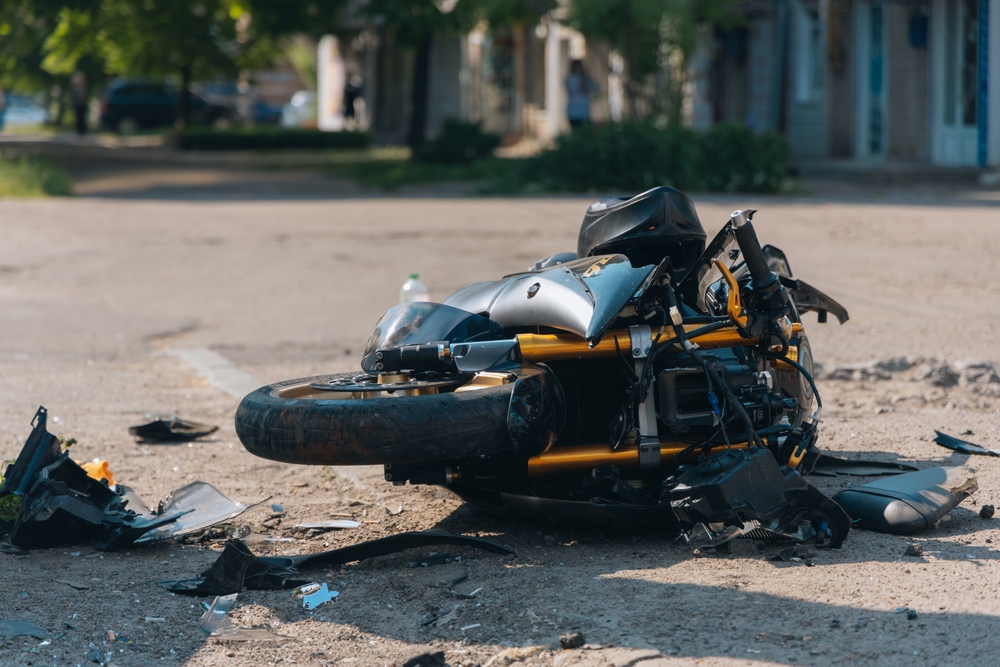
Who Can Be Held Liable After a Bike Week Crash?
Bike week motorcycle accident liability usually falls on the driver or rider whose negligence caused the collision, though other parties can share it. Sorting this out early matters because each responsible party may bring separate insurance coverage.

Motorists
The most common scenario we see involves a car or truck turning across a rider’s path or changing lanes into a motorcycle that the driver never registered. Failure to yield is at the center of many of these Daytona Bike Week insurance claims.
Other Riders
Group riding is part of the event’s appeal, but it also carries its own risks. A rider who brakes abruptly or drifts within a lane can cause a collision behind them.
Venues and Vendors
Where a business over-served an obviously impaired patron who then caused a crash, Florida law may allow a claim in narrow circumstances. Vendors who obstruct sightlines or create hazards in a temporary setup may also be held responsible.
Entities Responsible for the Roadway
Poorly marked lane shifts, uncovered surface hazards, or defective temporary traffic control can contribute to a crash. Claims involving government entities carry their own notice requirements and shorter practical deadlines.
Identifying everyone who contributed is one of the first things we work on, since it directly affects what coverage is available.
What Happens If the Other Driver Is From Out of State?
The claim generally proceeds under Florida law because the collision occurred here. That said, an out-of-state policy can behave differently from a Florida one in ways that matter.
Some states require bodily injury liability coverage that Florida does not, which can mean more coverage is available than for a comparable local claim. Other policies contain territorial or vehicle-use restrictions worth examining closely.
The practical difficulty is usually logistical rather than legal. Adjusters unfamiliar with Florida’s rules, riders who have already traveled home, and medical treatment split between two states all slow a claim down.
Your own coverage may also travel with you. Many policies extend to riding in other states, so an out-of-state rider hurt in Daytona Beach can sometimes claim under their home uninsured motorist coverage even though the crash happened in Florida.
How Insurance Works After a Bike Week Motorcycle Accident
Motorcycle claims in Florida start from a weaker position than car claims, and riders are often unaware of it until they need coverage. Florida does not require riders to carry insurance, and instead requires proof of financial responsibility from a rider who causes injury or property damage.
Motorcycles are also excluded from Florida’s no-fault system, so the personal injury protection benefits that respond automatically for car occupants are not available to an injured rider. Medical bills instead fall to health insurance, optional medical payments coverage, or a liability claim that takes time to resolve.
That is why uninsured and underinsured motorist coverage is the coverage we most often wish an injured rider had purchased. When the at-fault driver carries little or nothing, it frequently becomes the primary source of recovery.
Does Florida’s Helmet Law Affect Your Claim?
Not wearing a helmet does not bar a claim, though insurers regularly raise it. Under Fla. Stat. § 316.211, riders over 21 may ride without a helmet if covered by a policy providing at least $10,000 in medical benefits, while younger riders must wear one regardless.
Where the argument surfaces is in apportioning fault for head injuries specifically. Under Florida’s comparative negligence rule, recovery is reduced by the injured person’s share of responsibility and barred entirely above 50 percent.
Riding legally without a helmet is not the same as being at fault for a crash someone else caused. Those are separate questions, and keeping them separate is part of the work.
Evidence That Matters in a Bike Week Case
These cases turn on evidence that has a short shelf life, which is the single biggest difference from a routine collision. Most witnesses will be several states away within a week.
The material that tends to decide these claims includes:
- Contact information for witnesses, gathered at the scene if at all possible.
- Helmet and dash camera footage from the rider or from others nearby.
- Business surveillance video from Main Street and Beach Street storefronts, much of which is overwritten within days.
- Photographs showing vehicle positions, lane markings, and temporary traffic control.
- Receipts and timelines establishing where each party had been.
Because so much of this is gone within a week or two, we send preservation requests to nearby businesses as early as we can.
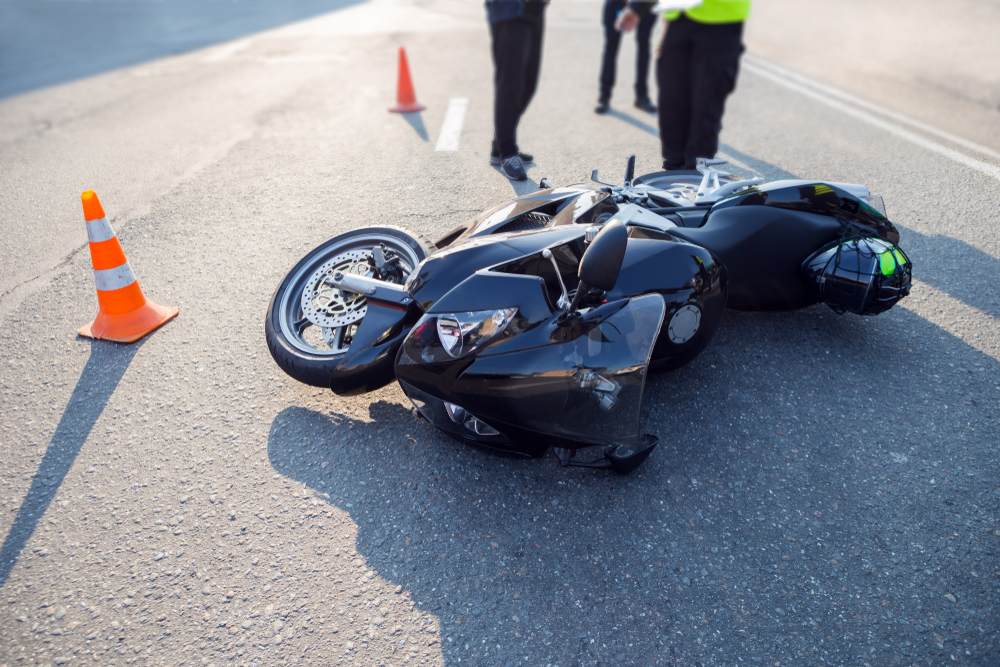
Related Daytona Beach Riding Issues
Several related topics come up alongside Bike Week claims. Riders weighing whether to ride without headgear should understand how Florida’s motorcycle helmet laws interact with an injury claim, since the insurance condition attached to the exemption is easy to overlook.
Bike Week traffic also affects everyone on the road, not only riders. We handle car and motorcycle collisions alike throughout Volusia County, and the congestion during the event produces plenty of both.
Whichever category your crash falls into, the early steps are largely the same.
One difference worth noting is timing. Riders who are only in town for the event have a narrow window to see a doctor, obtain a copy of the report, and identify witnesses before heading home, so those tasks tend to compress into the first day or two rather than the first week.
What Deadlines Apply to a Bike Week Claim?
Most Florida negligence claims must be filed within two years of the crash date, a deadline shortened from four years in 2023. Claims involving a government entity carry additional notice requirements that arrive much sooner.
Two years sounds generous, and it is misleading in an event case. The evidence that decides these claims is usually unavailable long before the legal deadline approaches.
Reporting to your own insurer promptly matters as well, since policies impose their own notice conditions independent of the statute. Late notice gives a carrier an argument it would not otherwise have, and that argument is entirely avoidable with a phone call.
FAQs about Bike Week Motorcycle Accidents in Daytona Beach
These are the questions riders ask us most often after an event crash.
I live out of state. Can you still handle my claim?
Yes. A crash that happens in Volusia County is handled here under Florida law, and we represent riders who have long since returned home. Most of the process can be managed remotely, and we coordinate with providers treating you in your home state.
Should I get treatment in Daytona Beach or wait until I get home?
Getting evaluated before you travel is generally wise, both for your health and for the record. A same-day emergency department visit creates documentation tying the injury to the crash that is difficult to replicate weeks later. Follow-up care at home is entirely normal.
What if I was riding a rented or borrowed motorcycle?
Claims involving rented or borrowed bikes are common during the event and add a coverage layer. The rental agreement, the owner’s policy, and your own coverage may each play a role. Bring the rental paperwork, since its terms often decide which policy responds first.
Does it hurt my claim if I had been drinking?
It complicates the fault analysis, but it does not automatically end a claim, particularly where another driver plainly caused the collision. Insurers will pursue this aggressively, so it is something to discuss with an attorney candidly and early rather than hope goes unnoticed.
What if the crash happened during a temporary road closure?
Temporary closures and detours shift throughout the event, and inadequate signage or traffic control can contribute to a crash. Establishing what the configuration was on that specific day requires prompt documentation, since the setup changes and is rarely recorded afterward.
Can I claim for damage to my motorcycle and gear?
Yes. Property damage claims cover the bike itself, and custom parts or accessory coverage may apply to aftermarket additions. Helmets, jackets, and boots damaged in the crash are also recoverable, so it is worth photographing gear before replacing or discarding it.
How is a group riding crash handled?
Group crashes often involve multiple riders and several insurers, and fault may be divided among them. Each rider’s own coverage may also come into play. These claims benefit from early investigation because accounts tend to diverge as time passes.
Talk With Us After a Bike Week Crash
If you were hurt riding in Daytona Beach, the sooner someone starts preserving evidence, the better your position will be. We can begin that work immediately, deal with the insurers, and let you focus on recovering.
Call Bagen Law Accident Injury Lawyers at 800-800-2575 to speak with a Daytona motorcycle accident lawyer at no cost. We are available 24/7, we work on a contingency fee, and we have been Fighting For Florida’s Injured® from our offices in Daytona Beach, Gainesville, and Ocala.