

Reports | April 15, 2026 | Personal Injury
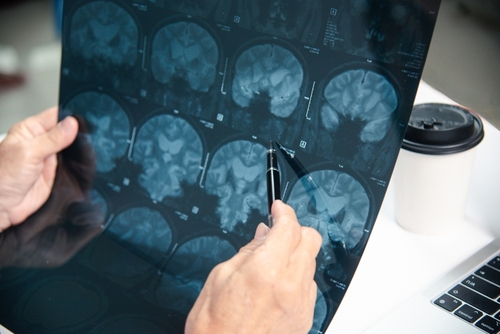
When a crash in Gainesville causes a concussion or mild traumatic brain injury, many insurers treat it as a temporary inconvenience instead of a serious Florida personal injury claim, even though symptoms like headaches, brain fog, memory problems, and mood changes can disrupt work, school, and daily life for months or longer.
Adjusters often lean on the word “mild” and on normal early imaging to downplay lasting problems, which leads to low settlement offers that ignore the real impact of a mild TBI on a victim and their family.
During a free consultation with a Gainesville personal injury lawyer, you can learn what evidence strengthens a Florida personal injury claim for a mild traumatic brain injury and how to respond when an insurance company tries to label serious cognitive problems as “just a concussion.”
Key Takeaways About Mild TBI Claims in Gainesville
- Insurers routinely undervalue mild TBI and concussion claims by focusing on normal scans, the word “mild,” and short ER visits, while ignoring persistent symptoms.
- Post‑concussion syndrome and delayed symptoms are common, and they can significantly affect concentration, mood, and the ability to work or study.
- A strong concussion personal injury claim in Gainesville relies on detailed medical documentation, neuropsychological testing, and clear proof of how life has changed.
- Early legal help can protect your claim by managing insurer contact, avoiding damaging statements, and making sure the right specialists evaluate your mild TBI.
What Makes a Mild TBI More Than “Just a Bump”?
Not every headache after a car accident is a compensable brain injury. For a mild TBI to support a Florida personal injury claim, there usually needs to be a combination of:
- A mechanism of injury consistent with brain trauma – such as head impact on a window, steering wheel, headrest, or airbag; whiplash forces that jolt the brain; or a rollover or side‑impact crash with significant deceleration.
- Acute neurological signs – feeling dazed or confused, brief loss of consciousness, memory gaps around the crash, disorientation, or trouble concentrating at the scene or shortly afterward.
- Persistent symptoms – headaches, dizziness, light or noise sensitivity, sleep disturbance, memory problems, or mood changes that last beyond a few days and interfere with work, school, or normal activities.
- Consistent medical documentation – records from ER visits, primary doctors, neurologists, and therapists that link symptoms to the crash and track how they evolve over time.
When those pieces are present, a mild traumatic brain injury is no longer just a minor bump; it is a brain injury with real, documentable consequences that should be fully considered in any settlement evaluation.
Why Concussion Symptoms Are Often Delayed in Florida Accident Claims
One reason insurers underrate concussion personal injury claims in Gainesville is that symptoms often don’t show up in the first hours after a crash. Adrenaline and shock can mask problems at the scene, and standard ER evaluations focus on ruling out life‑threatening bleeding or fractures, not on subtle cognitive changes.
Common delayed symptoms include:
- Headaches and pressure in the head that worsen over 24–72 hours.
- Difficulty concentrating or “brain fog”, especially during work or school tasks.
- Short‑term memory issues, like misplacing items, forgetting conversations, or losing track of appointments.
- Irritability, anxiety, or depression that weren’t present before the crash.
- Sleep problems, including insomnia, fragmented sleep, or oversleeping.
When concussion symptoms appear days after a Gainesville accident, insurers often argue they must be unrelated, pointing to initial records that say “patient feels fine” or show no loss of consciousness. That is why early follow‑up care and honest reporting of new or worsening issues matter so much for a concussion or mild TBI claim.
How Insurers Undervalue Mild TBI Claims After an Accident
Insurance companies in Florida use a familiar playbook to keep payouts low on mild TBI and concussion cases. In Gainesville and across Alachua County, common tactics include:
- Using the word “mild” against you. Adjusters emphasize that doctors classified the TBI as “mild” to suggest it cannot be serious, even though that term refers to initial presentation, not long‑term impact.
- Over‑relying on normal scans. They point to normal CT or MRI results as “proof” that there is no significant brain injury, ignoring that microscopic damage and metabolic changes often do not appear on standard imaging.
- Dismissing subjective symptoms. Headaches, fatigue, confusion, and mood changes are treated as exaggeration, stress, or unrelated issues if not backed by specialist records and testing.
- Anchoring early, low offers. Adjusters move quickly with a small settlement offer while treatment is limited and before a full picture of post‑concussion syndrome emerges.
- Highlighting gaps or inconsistencies. Missed appointments, delayed treatment, or variations in symptom descriptions are used to question credibility and cut claim value.
Understanding these strategies helps Gainesville accident victims and their lawyers plan how to document a mild TBI in ways that are harder to dismiss.
Table: Common Insurer Arguments vs. Ways to Push Back
| Common Insurer Argument | Why They Use It | How a Gainesville Mild TBI Claim Can Respond |
| “It was just a mild concussion.” | To suggest symptoms should be brief and minor. | Show medical records and expert opinions explaining that “mild” refers to initial injury severity, not long‑term impact. |
| “Your CT/MRI was normal.” | To imply there is no real brain injury. | Present neurology notes and neuropsychological testing that document functional deficits despite normal imaging. |
| “You didn’t complain of symptoms at the scene.” | To challenge causation between crash and symptoms. | Highlight delayed concussion research and early records noting head impact or daze, plus prompt follow‑up once symptoms appeared. |
| “Your problems are due to stress or preexisting issues.” | To shift blame away from the accident. | Use pre‑ and post‑accident history, family statements, and expert testimony to show a clear change after the crash. |
| “You can work and live normally, so it can’t be serious.” | To minimize impact on daily functioning and earning capacity. | Provide employer or school records documenting reduced performance, errors, accommodations, or lost opportunities since the injury. |
By anticipating these arguments, a mild TBI insurance dispute in Florida can be framed around objective findings and credible narratives instead of letting the adjuster control the story.
Evidence That Strengthens a Mild Traumatic Brain Injury Claim
A mild traumatic brain injury in a Florida personal injury claim may be stronger when multiple, consistent sources of evidence support it. Important components include:
- Medical diagnosis and specialist care
- Documentation from ERs, primary doctors, neurologists, and sometimes physiatrists or rehabilitation specialists.
- Clear notes on loss of consciousness, confusion, memory gaps, and evolving symptoms.
- Neuropsychological testing
- Standardized tests performed by a neuropsychologist to measure attention, memory, processing speed, and executive function.
- Validity checks within the testing to counter claims of exaggeration.
- Symptom journals and daily‑life records
- Written logs of headaches, fatigue, sleep disruptions, and cognitive “crashes.”
- Notes on missed events, task failures, or situations that now feel overwhelming.
- Work and school documentation
- Performance reviews showing a drop in productivity or quality.
- Attendance records, discipline issues, or accommodations granted after the accident.
- Family and friend observations
- Statements about mood swings, irritability, forgetfulness, and changes in personality or relationships since the crash.
Together, this evidence helps show that the concussion or mild TBI has had concrete, measurable effects on the injured person’s life—far beyond a short‑lived headache.
How Mild TBI Symptoms Affect Compensation in Florida
Even when labeled “mild,” a traumatic brain injury can significantly increase the value of a Florida accident claim if properly documented. Mild TBI‑related damages may include:
- Medical expenses – neurology visits, imaging, neuropsychological evaluations, therapy, medications, and follow‑up care.
- Future medical and rehabilitation costs – continued counseling, cognitive rehabilitation, or specialized treatment for post‑concussion syndrome.
- Lost wages and reduced earning capacity – time off work immediately after the accident, reduced hours, or long‑term difficulties performing in the same role as before.
- Non‑economic damages – pain and suffering, mental anguish, reduced enjoyment of life, and emotional distress due to chronic headaches, cognitive fatigue, and personality changes.
Because these harms are harder to see than a broken bone or visible scar, they are also easier for insurers to discount unless the evidence is carefully organized and presented.
What Gainesville Accident Victims Can Do After a Suspected Mild TBI
If you suspect a concussion or mild TBI after a crash in Gainesville, certain steps can protect both your health and any future claim:
- Seek medical evaluation as soon as possible, even if you felt “fine” immediately after the collision. Tell providers about any head impact, confusion, or memory gaps.
- Keep track of new or worsening symptoms over the days and weeks following the accident, especially headaches, concentration problems, and mood changes.
- Avoid giving detailed recorded statements to insurers early on without legal guidance, since you may not yet understand the full extent of your injury.
- Follow through with specialist referrals, such as neurology or neuropsychology, and attend recommended testing and therapy.
- Let family or close friends know what to watch for, as they may notice changes in your behavior or functioning before you do.
These steps make it easier to show that a mild TBI is real, crash‑related, and genuinely affecting everyday life.
FAQ About Mild TBI and Concussion Claims in Gainesville
Can someone file a personal injury claim in Florida for a concussion or mild TBI if imaging is normal?
Yes. Many concussion and mild TBI cases involve normal CT or MRI scans. Diagnosis often depends more on symptoms, neurological exams, and neuropsychological testing than on visible changes in imaging.
What if concussion symptoms appeared days after the Gainesville accident?
Delayed symptoms are common. It is still important to seek care promptly, explain the timing to the doctors, and ensure the connection to the crash is documented in medical records.
How long do I have to bring a mild TBI personal injury claim in Florida?
For many negligence‑based personal injury cases, including mild TBI claims arising from crashes, Florida generally has a two‑year statute of limitations from the date of the accident. However, specific circumstances can affect the deadline.
Can a preexisting condition, like anxiety or ADHD, ruin a mild TBI claim?
Not necessarily. The key issue is whether the accident caused a new brain injury or aggravated existing issues. Pre‑ and post‑crash records, along with expert opinions, can help demonstrate meaningful changes in functioning after the collision.
Do I really need a lawyer for a mild TBI claim if I feel I can handle the insurer on my own?
Mild TBI and concussion cases are among the most frequently undervalued claims because symptoms are subtle, delayed, and easy for insurers to question. A lawyer familiar with these cases can help secure the right evaluations, organize evidence, and push back against tactics designed to minimize your injury.
Fighting Back When a Mild TBI Claim Is Undervalued in Gainesville
Insurance companies in Florida routinely treat concussions and mild traumatic brain injuries as minor, short‑term problems, even when victims in Gainesville are living with headaches, cognitive fatigue, and personality changes months after a crash.
The difference between an undervalued offer and a fair settlement often comes down to how quickly symptoms are recognized, how thoroughly they are documented, and how effectively the medical evidence is presented.
If you or a loved one is dealing with ongoing concussion or mild TBI symptoms after an accident in Gainesville or elsewhere in Alachua County, you do not have to accept an insurer’s “just a mild concussion” narrative.
A free consultation with Bagen Law Accident Injury Lawyers, P.A. can give you a straightforward assessment of your situation, explain what evidence may be needed to support your mild TBI claim, and outline the steps you can take to protect your rights under Florida personal injury law.