

Reports | April 10, 2026 | Personal Injury
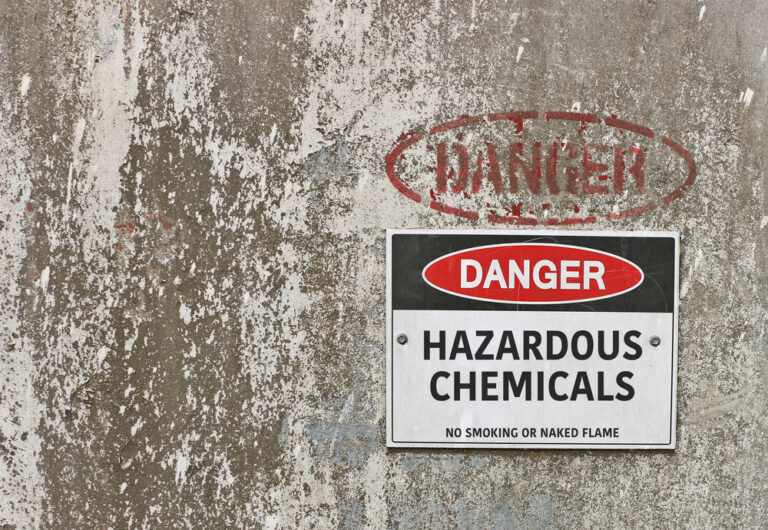
A chemical burn injury in Gainesville can complicate Florida personal injury claims because liability may fall on employers, property owners, or product manufacturers, depending on where the exposure occurred and how hazardous substances were handled.
A chemical burn injury claim under Florida personal injury law often turns on prompt, detailed documentation of which chemical was involved, how the exposure occurred, and which company controlled the workplace, product, or premises at the time of the incident.
During a free case review with a Gainesville personal injury lawyer, someone dealing with a chemical exposure burn injury in Gainesville can discuss potential claims against negligent third parties, how workers’ compensation fits in, and steps to preserve critical evidence before it is lost or cleaned up.
Key Takeaways For Chemical Burn Injury Claims In Gainesville
- Chemical burns can cause serious internal damage and delayed symptoms, making prompt medical evaluation and documentation crucial in any Gainesville chemical exposure case.
- Liability for a toxic chemical burn in Florida may involve employers, property owners, product manufacturers, or contractors, depending on who controlled the substance and safety protocols.
- Workers’ compensation can cover on‑the‑job chemical burns, but Florida law may also allow separate third‑party negligence claims, with workers’ compensation liens governed by section 440.39, Florida Statutes.
- Evidence such as Safety Data Sheets (SDS), incident reports, photos, and coworker statements is often central to proving that a chemical exposure burn injury in Gainesville was preventable.
How Chemical Burns Differ From Other Burn Injuries
Chemical burns do not always look dramatic at first, which can mislead both injured people and insurers about how serious the injury really is. Certain acids, alkalis, and solvents continue to damage tissue long after initial contact, sometimes penetrating beneath the skin and causing deeper harm than a typical thermal burn.
For Gainesville residents, that means:
- Symptoms may be delayed. Pain, blistering, or discoloration can worsen hours after exposure, even if the area looked mild at first.
- Internal structures can be affected. Eyes, airways, lungs, and internal organs may sustain serious injury from inhaled fumes or splashes.
- Scarring and disability can be significant. Deep tissue damage may require surgeries, grafts, or long-term rehabilitation.
In a Florida personal injury claim involving chemical burns, medical records often need to explain these dynamics clearly so insurers and, if necessary, juries understand why an exposure that didn’t look catastrophic at first led to life‑altering injuries.
Where Chemical Exposure Burn Injuries Happen In Gainesville
Chemical exposure burn injury cases in Gainesville can arise in many settings, from workplaces to public or private property.
Common scenarios include:
- Workplaces handling industrial chemicals. Manufacturing plants, laboratories, cleaning companies, and auto or equipment shops often use strong acids, bases, solvents, or fuels.
- Maintenance and janitorial work. Concentrated cleaning agents, degreasers, and disinfectants can cause burns when mixed improperly or used without adequate protection.
- Apartment complexes and rental properties. Pool chemicals, pest control agents, and improperly stored cleaning supplies can pose risks in common areas.
- Retail and service businesses. Salons, laundromats, and some food‑service operations use products that can cause burns if spilled or misused.
Each context raises different questions about who controlled the chemical, what safety measures were required, and whether Florida premises liability, product liability, or general negligence principles apply.
Who Can Be Liable For A Toxic Chemical Burn In Florida?
Determining who pays for a chemical burn injury in a Florida personal injury claim depends on where the exposure occurred and who had a duty to prevent it.
Potentially responsible parties can include:
- Property owners and landlords. Under Florida premises liability law, owners who invite people onto their property must take reasonable steps to keep conditions safe, which can include properly storing chemicals and warning about hazards.
- Employers and contractors. Employers generally provide workers’ compensation coverage, while negligent third‑party contractors or vendors on the same site can face separate injury claims.
- Product manufacturers and distributors. Companies that design, manufacture, or sell defective or unreasonably dangerous chemical products, or fail to provide adequate warnings and instructions, can be held liable under Florida product liability law.
- Service providers. Pest control, pool maintenance, and industrial cleaning companies that mishandle chemicals or leave unsafe residues may share responsibility when someone is burned.
In Gainesville, a chemical exposure burn injury claim often involves sorting out whether the case is primarily a premises liability claim, a product liability claim, a general negligence claim, or some combination, with workers’ compensation as a separate layer if the exposure happened on the job.
How Florida Workers’ Compensation Interacts With Chemical Burn Claims
When a chemical burn occurs in the course and scope of employment in Alachua County, workers’ compensation coverage under Section 440.09 of the Florida Statutes sets out when an injury is compensable.
However, if a third party’s negligence contributed to the exposure—such as a chemical supplier, equipment manufacturer, or outside contractor—a separate workplace chemical burn injury claim in Alachua County may be possible. In those situations:
- Workers’ compensation pays certain benefits (medical treatment and partial wage loss).
- A third‑party personal injury claim seeks additional damages, including pain and suffering and full wage loss, from the negligent non‑employer.
- The workers’ compensation carrier often has a lien on part of any third‑party recovery under section 440.39 of the Florida Statutes.
A Gainesville personal injury lawyer handling chemical burn cases typically looks at both paths: ensuring workers’ compensation benefits are properly provided and evaluating whether a third‑party negligence or product liability claim can be brought alongside them.
Evidence That Matters In Gainesville Chemical Burn Cases
Because chemicals can be neutralized, containers moved, and worksites cleaned soon after an incident, early evidence collection can make a major difference in how a chemical burn case unfolds.
Key pieces of evidence often include:
- Safety Data Sheets (SDS) and labels. These documents identify the chemical, concentration, hazards, and recommended protective measures.
- Photos and video. Images of the spill, container, equipment, warning signs (or lack thereof), and the surrounding area capture conditions at the time of exposure.
- Incident reports and OSHA or internal safety records. Written accounts from employers or property owners can lock in early descriptions of what happened.
- Witness statements. Coworkers, other tenants, or customers can confirm how the exposure occurred and what safety measures were in place.
- Medical records. Documentation of symptoms, diagnosis, treatment, and potential long‑term effects helps connect the exposure to the injury.
For a chemical exposure burn injury in Gainesville, capturing these items early can help show that the exposure was preventable and that someone with a legal duty to protect others failed to do so.
Table: Common Gainesville Chemical Burn Scenarios And Possible Legal Paths
| Scenario In Gainesville | Possible Legal Theories | Examples Of Who Might Be Responsible |
| Worker splashed with acid while cleaning equipment | Workers’ compensation; third‑party negligence or product liability | Employer (workers’ comp), equipment manufacturer, chemical supplier, outside maintenance contractor. |
| Tenant exposed to pool chemicals at an apartment complex | Premises liability; negligence | Apartment owner, property management company, pool service contractor. |
| Customer burned by hair dye or cleaning agent at a salon | Premises liability; product liability; negligence | Salon owner, product manufacturer, distributor. |
| Student injured by chemical in a lab or classroom | Premises liability; negligence | School or university, lab equipment vendor, outside contractor. |
This helps organize who may be involved in paying compensation in a Florida chemical burn injury claim, depending on where in Gainesville the exposure occurred and who had control over the hazardous substance.
How Florida Law Evaluates Whether A Chemical Exposure Was Preventable
Florida negligence and premises liability principles ask whether a person or business with a duty of care failed to act as reasonably careful as any party would under similar circumstances. In chemical burn cases, that usually involves questions like:
- Were appropriate warnings and instructions provided? Clear labels, hazard signs, and training are often expected when hazardous chemicals are present.
- Were proper storage and handling procedures followed? Storing incompatible chemicals together, using unlabeled containers, or leaving containers open can all be signs of negligence.
- Was protective equipment available and used? Gloves, goggles, face shields, and respirators may be required under industry standards or safety policies.
- Were spills and leaks addressed promptly and correctly? Failing to clean up known spills or doing so without proper precautions can endanger workers, tenants, or customers.
A Gainesville chemical burn lawyer often works with safety experts and reviews OSHA regulations, industry standards, and company policies to show that the exposure could have been avoided with reasonable care.
FAQ About Chemical Burn Injury Claims In Gainesville
Can someone bring a personal injury claim if workers’ compensation already applies?
Yes, in many cases a worker in Gainesville can receive workers’ compensation benefits and also pursue a third‑party claim against a negligent manufacturer, contractor, or property owner, subject to workers’ compensation lien rules in section 440.39, Florida Statutes.
How long does someone have to file a chemical burn injury lawsuit in Florida?
Florida’s updated statute of limitations generally gives two years from the date of injury to file many negligence‑based personal injury lawsuits, including chemical burn cases. However, specific circumstances can affect the deadline. Missing that window can bar recovery, which is why timely legal advice matters.
What if the chemical burn happened at a friend’s home or small business?
Even when the exposure occurs on familiar property, liability may still arise if the owner failed to store or handle chemicals safely or did not warn about known hazards. Insurance coverage, such as homeowners or commercial liability policies, often comes into play rather than the individual paying out of pocket.
Do all chemical burns qualify for a personal injury claim?
Not every exposure will lead to a viable claim. The key questions are whether someone with a duty of care acted unreasonably, whether that conduct caused the chemical burn, and whether the injury resulted in measurable damages, such as medical bills, lost income, or lasting pain and limitations.
What should someone do immediately after a chemical burn in Gainesville?
After a chemical burn, it is important to follow emergency first‑aid instructions on the product label or Safety Data Sheet, rinse the affected area with clean water if advised, and seek prompt medical care, especially if the burn involves the eyes, face, or a large area of skin.
Preserving any containers, taking photos of the scene, and noting who witnessed the exposure can also help protect both health and any future legal claim.
When A Chemical Burn In Gainesville Becomes A Legal Case

Chemical burn injuries in Gainesville can leave lasting physical and emotional scars, especially when deep tissue damage, eye injuries, or respiratory problems develop after exposure.
When the burn traces back to unsafe chemical storage, inadequate training, defective products, or careless handling on someone else’s property, Florida law provides ways to pursue accountability through personal injury and, where appropriate, third‑party workplace claims.
Anyone facing medical bills, time away from work, or long‑term health concerns after a chemical exposure burn injury in Gainesville may find it helpful to talk with a lawyer familiar with Florida chemical burn cases and the interplay between workers’ compensation and third‑party liability.
A free case evaluation with Bagen Law Accident Injury Lawyers, P.A. can provide a straightforward review of how the exposure occurred, which parties may be legally responsible, and what compensation may be available under Florida personal injury law for chemical burn injuries in and around Gainesville.