

Kyle Bagen | July 22, 2026 | Personal Injury

What Are the Symptoms of Paraquat Exposure?
Symptoms of paraquat exposure range from immediate burning in the mouth and throat to lasting harm like lung scarring, organ failure, and a higher risk of Parkinson’s disease. How severe the symptoms become depends on how much paraquat entered the body, how a person was exposed, and how long the contact lasted.
If you spent years on a farm or lived near sprayed fields, you may be searching for answers about paraquat exposure symptoms and what they could mean for your health, including whether you have grounds for a Gainesville, FL toxic tort claim. Paraquat is a powerful weed killer, and the harm it causes does not always show up right away. For many families, the first real warning comes long after the chemical was last used.
At Bagen Law Accident Injury Lawyers, P.A., we have spent more than 45 years listening to people across North Central Florida who are facing a serious illness they never saw coming. We understand how frightening it is to link a new diagnosis to work you did decades ago. We see you, and we are here to help you make sense of it.
Below, we explain the signs to watch for, why they can take so long to appear, and how our team can stand beside you if paraquat may have harmed you or someone you love.
Key Takeaways about the Signs and Symptoms of Paraquat Exposure
- Paraquat is a highly toxic herbicide that is legal only for licensed applicators in the United States.
- Early symptoms of paraquat exposure often affect the mouth, throat, and digestive system.
- Long-term harm can include permanent lung scarring, kidney failure, and heart failure.
- Research has connected long-term paraquat exposure to Parkinson’s disease.
- Symptoms may take days, weeks, or even years to appear after contact.
How Does Paraquat Enter the Body?
Paraquat can enter the body in three main ways: swallowing it, breathing it in, or absorbing it through the skin. Each route carries its own risks, and swallowing even a small amount can be deadly. Knowing how exposure happens is the first step toward understanding your own history.
Most poisonings happen when paraquat is swallowed, often because it was mixed with food, water, or another drink. The Centers for Disease Control and Prevention reports that ingestion is the most common way people are poisoned. In the United States, the product is dyed blue and given a sharp smell to make it harder to swallow by accident.
Skin contact turns dangerous when it lasts a long time, involves a strong concentration, or touches skin with cuts, sores, or a rash. Breathing in paraquat can cause severe lung damage, which is a real concern for workers spraying fields and for people who live close by.
In farming communities around Gainesville, Ocala, and the rural stretches of North Central Florida, that kind of daily contact was once simply part of the job. Many workers never imagined the risk they were carrying home.
It also does not take a dramatic accident for harm to begin. Repeated low-level contact, day after day and season after season, can add up quietly over the course of a working life. That slow buildup is part of what makes paraquat so dangerous.
Early Signs of Paraquat Exposure
When someone swallows paraquat, the damage often starts in the mouth, throat, and stomach within hours. The tissue that touches the chemical first tends to burn and swell, sometimes badly enough to make eating and drinking painful.
Early symptoms of paraquat exposure can include:
- Pain and swelling in the mouth and throat
- Nausea and vomiting
- Stomach pain
- Diarrhea, which may contain blood
When these digestive symptoms are severe, they can lead to dehydration and dangerously low blood pressure. Anyone who believes they swallowed or touched paraquat should get medical care right away and can reach the Poison Help line for immediate guidance.

What Are the Long-Term Symptoms of Paraquat Exposure?
The long-term symptoms of paraquat exposure can be permanent and life-changing, even for people who survive the first poisoning. According to the CDC, lung scarring is highly likely in survivors, and other organs may fail over time. These effects can reshape a person’s daily life for years.
Lung Damage That Builds Over Time
One of the most serious effects is lung scarring, known as pulmonary fibrosis. As the tissue stiffens, breathing grows harder, and simple activities like walking or climbing stairs can leave a person short of breath. This scarring often cannot be reversed.
Organ Failure and Other Lasting Effects
Paraquat can also lead to kidney failure, heart failure, and scarring of the esophagus that makes swallowing painful. Each of these conditions can require ongoing treatment and careful medical attention.
For a survivor, these problems rarely arrive alone. One condition can strain another, so a person coping with lung scarring may also be managing kidney trouble at the same time. Living with several of these effects together can take a real toll on both health and independence.
What makes these effects so hard to catch is timing. Some people feel fine for days or weeks before symptoms set in, while others live for years before a serious condition appears. That delay is exactly why so many families never connect the dots on their own.
The Link Between Paraquat and Parkinson’s Disease
Perhaps the most concerning long-term effect is a connection to Parkinson’s disease, a progressive condition that affects movement and the nervous system. The National Institute of Environmental Health Sciences has reported that people who used paraquat on the job developed Parkinson’s more often than those who did not.
Scientists believe paraquat can cross into the brain and harm the cells that control movement. Over time, that damage may surface as symptoms many people first blame on normal aging. By then, the disease has often taken hold. A paraquat lawyer can help you understand what that might mean for your case.
Warning signs of Parkinson’s disease can include:
- Tremors or shaking, often starting in one hand
- Stiff or rigid muscles
- Slowed movement and a shuffling walk
- Changes in handwriting, speech, or balance
If you worked with herbicides and later noticed symptoms like these, it is worth talking with your doctor about your history. A clear record of your past exposure can matter a great deal to your care and to any claim you may decide to pursue.
Parkinson’s disease changes daily life in ways that reach far beyond movement. It can affect a person’s ability to work, to drive, and to care for themselves, and it often places new weight on the whole family. For loved ones watching this unfold, the questions about how it happened can feel just as heavy as the diagnosis itself.
Who Is Most at Risk of Paraquat Exposure?
The people most at risk of paraquat exposure are those who worked with the chemical directly or lived close to where it was sprayed. Because paraquat is a restricted-use product, similar to the herbicide Dacthal, licensed applicators face the highest risk of all. Still, the danger reaches far beyond the person holding the sprayer.
Farm workers, commercial growers, and licensed applicators handled paraquat as part of their daily routine for decades. The U.S. Environmental Protection Agency allows only trained, licensed users to apply it because of how toxic it is.
Family members can be exposed through contaminated clothing, shoes, and equipment, and people living near treated fields may breathe in drifting spray. In agricultural areas across North Central Florida, that meant whole households could share the same hidden risk without ever knowing it.
Groundskeepers, nursery workers, and others who spent time around commercial spraying may also have crossed paths with paraquat. If your job or your home placed you near fields or equipment where it was used, your exposure history is worth a closer look. A single conversation can help you understand where you stand.
Why Long-Term Symptoms Are Easy to Miss
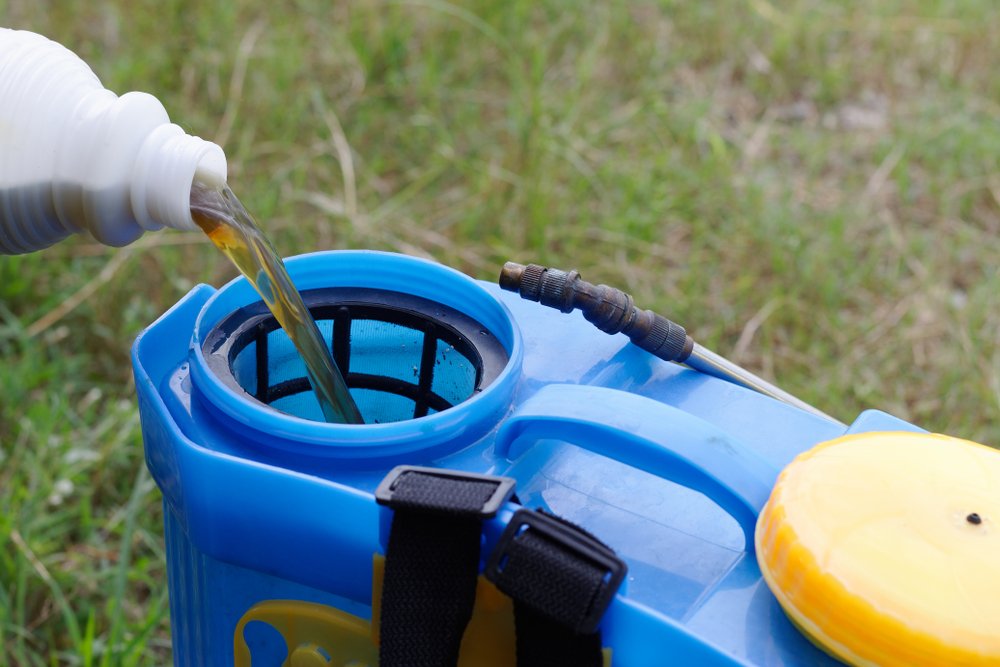
Paraquat harm rarely announces itself. Small amounts absorbed over many years can quietly damage the body long before any symptom appears, which makes the connection hard to see.
By the time breathing problems, tremors, or organ trouble show up, decades may have passed since the last exposure. Many people understandably assume their illness is simply part of getting older.
That gap between exposure and illness is one of the cruelest parts of these cases. It is also why keeping records of where you worked and what you handled can help tie a current diagnosis to a past cause.
You do not need to have every answer before you reach out. Old pay stubs, job titles, product names, or even the memory of spraying a certain field can all help build the picture. We are used to piecing these stories together, and we can help you gather what matters.
How Bagen Law Helps Families Harmed by Paraquat
For more than 45 years, Bagen Law Accident Injury Lawyers has stood with injured people and grieving families throughout Gainesville, Ocala, Daytona Beach, and the rest of North Central Florida. Our attorneys bring over 150 years of combined experience to every case we take.
Founding attorney Steven A. Bagen holds Florida Bar Board Certification in Civil Trial Law, a credential that recognizes him as an expert trial lawyer under the Florida Bar’s own standards. Over the years, our firm has recovered hundreds of millions of dollars for clients, always with a steady focus on the person behind the case.
For families facing Parkinson’s disease or another serious illness, this is not about getting even. It is about justice, and about securing the resources you need for medical care, daily support, and some measure of peace. When you turn to us, you pay nothing up front, and you owe no attorney’s fee unless we recover for you.
We know how heavy this moment feels, and we are here to listen. You do not have to figure any of this out on your own.
FAQs about Dacthal Exposure
Below are answers to some of the questions we hear most often from people worried about paraquat and their health.
Yes. Some effects, like Parkinson’s disease and lung scarring, can develop long after the last exposure. Many people feel healthy for years before symptoms begin, which is one reason past work with herbicides is worth mentioning to your doctor.
Doctors can use blood and urine tests to check for paraquat, though these are most useful soon after exposure. For long-term conditions, physicians usually rely on your symptoms, medical history, and a record of when and how you may have been exposed.
Yes. Paraquat can travel home on clothing, shoes, and equipment, so spouses and children can come into contact with it without ever handling the chemical themselves. People who live near sprayed fields may also breathe in drifting spray.
Paraquat remains legal but heavily restricted. Only licensed applicators may buy or use it, and the EPA classifies it as a restricted-use pesticide because of how dangerous it is.
Gramoxone is one of the most common brand names for products that contain paraquat. If you worked with Gramoxone or a similar weed killer, you may have been exposed to paraquat itself.
Florida law sets time limits for filing injury and Gainesville wrongful death claims under the state’s statute of limitations. Because those deadlines can pass sooner than people expect, it helps to speak with a lawyer as early as you can.

Talk With Bagen Law About Paraquat Exposure Today
If you or someone you love is living with Parkinson’s disease, lung damage, or another illness that may be tied to paraquat, you do not have to face it alone. Our team has spent decades fighting for Florida’s injured, and we are ready to listen to your story with care.
Call our Gainesville office at (800) 800-2575 for a free, no-pressure conversation. There is no fee unless we win, and we will treat you with the respect you deserve. Call us anytime, day or night, and let us help you take the next step.