

Reports | February 2, 2026 | Slip and Fall Accidents
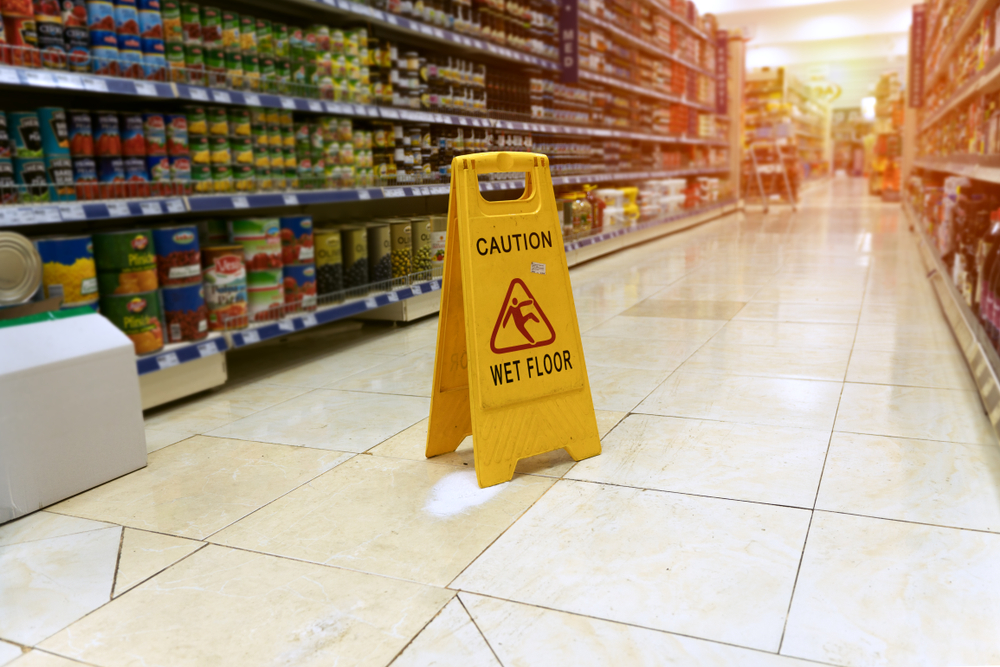
If you slipped and fell in a Gainesville grocery store, one of the central issues when determining liability is whether the store knew—or should have known—about the dangerous condition. Florida law requires injured shoppers to prove “notice,” meaning you must show the store had actual or constructive awareness of the hazard before your fall.
Understanding how to meet this burden of proof can make a significant difference in whether your civil claim succeeds. Below, we’ll explain why proving notice is required, how Florida courts analyze actual versus constructive notice, and what kinds of evidence can strengthen your grocery store slip and fall claim, especially in self-service environments common to stores like Publix, and how a Gainesville Slip and Fall Accident Lawyer can help build a strong case on your behalf.
Key Takeaways About Proving a Store Had Notice of a Dangerous Condition
- Florida law requires slip and fall plaintiffs to prove a grocery store had actual or constructive notice of the hazard.
- “Actual notice” means the store knew about the spill or dangerous condition.
- “Constructive notice” means the hazard existed long enough that the store should have known about it.
- Time-based evidence, such as surveillance footage, inspection logs, or witness testimony, often determines whether constructive notice can be shown.
- Florida courts, as shown in the case of Owens v. Publix Supermarkets, Inc., closely examine the condition of the hazard and store operations.
- Self-service areas may raise unique issues under Florida’s “mode of operation” doctrine, but notice is still required.
Why Florida Requires Proof of Notice in Slip and Fall Cases
Florida law does not automatically hold grocery stores responsible for every customer injury. Instead, the law balances a store’s duty to maintain safe premises with the reality that spills and hazards can occur suddenly.
Under Florida Statute § 768.0755, a person injured in a slip and fall caused by a “transitory foreign substance” (such as water, food, or other spills) must prove the business establishment had:
- Actual notice of the dangerous condition, or
- Constructive notice of the dangerous condition
This requirement exists to prevent liability when a hazard appears moments before a fall, and the store had no reasonable opportunity to address it.
In Gainesville grocery stores—many of which feature high foot traffic, self-serve food areas, and frequent restocking—this legal standard plays a critical role in determining fault in slip and fall cases.
What Counts as a “Transitory Foreign Substance” in a Grocery Store?
Most grocery store slip and fall claims involve substances that are temporary and not permanently part of the premises. Common examples include:
- Water tracked in from a rainstorm
- Spilled milk, juice, or soda
- Dropped produce, such as crushed grapes
- Melted ice near freezer aisles
- Leaking containers or faulty refrigeration units
Because these conditions can arise quickly, Florida law focuses on whether the store had enough warning to respond.
Understanding Actual Notice in Grocery Store Slip and Fall Claims
Actual notice exists when the store knew about the hazard before the fall occurred.
Examples of actual notice include:
- An employee saw the spill but did not clean it up
- A customer reported the hazard to staff before the incident
- The store created the dangerous condition (for example, during restocking)
- Maintenance logs show the hazard was identified earlier
If a Gainesville grocery store employee walked past a puddle, commented on it, or planned to clean it later, that knowledge may establish actual notice. However, proving actual notice can be challenging without clear evidence or testimony.
Constructive Notice: The Most Contested Issue in Florida Slip and Fall Cases
In many cases, there is no direct proof that a store knew about the hazard. That’s where constructive notice becomes critical.
Constructive notice means that the condition existed for such a length of time that the store should have discovered it through the exercise of reasonable care. Florida law allows constructive notice to be proven in two primary ways:
- The dangerous condition existed long enough that the business should have known about it
- The condition occurred with regularity, making it foreseeable
This is where questions like “how long must a spill be present under Florida law?” become legally important.
Does It Matter How Long the Water Was on the Floor Before You Fell?
Yes—timing often makes or breaks a slip and fall claim.
Florida courts will examine evidence suggesting how long a spill existed, including:
- Surveillance video showing when the substance appeared
- Footprints, cart tracks, or smearing through the spill
- Drying edges or dirt accumulation
- Witness testimony about earlier observations
- Cleaning and inspection schedules
For example, if video footage shows water on the floor for 20–30 minutes with employees walking nearby, that may strongly support constructive notice in store slip and fall claims. On the other hand, if a spill occurred seconds before the fall, proving notice becomes far more difficult.
How Courts Analyze Constructive Notice in Grocery Stores
Florida courts take a fact-specific approach when evaluating constructive notice. Judges and juries may consider:
- The location of the hazard (busy aisle vs. isolated area)
- The store’s inspection policies
- Employee proximity to the hazard
- Whether similar hazards had occurred previously
- The nature and appearance of the substance
In Gainesville, where large grocery stores often operate extended hours and rely heavily on self-service layouts, these factors carry particular weight.
The Importance of Surveillance Footage and Time-Stamped Evidence
Modern grocery stores typically rely on surveillance cameras, and this footage can be some of the most persuasive evidence in slip and fall claims.
Time-stamped evidence may show:
- When the spill occurred
- Whether employees passed through the area
- How long the hazard remained unaddressed
- The injured person’s actions before the fall
Other time-based evidence may include:
- Floor inspection logs
- Incident reports
- Employee schedules
- Maintenance records
Because such evidence may be erased or overwritten quickly, it is crucial to take prompt action to preserve this evidence after a fall if you plan to file a claim for a slip and fall. If possible, take photos of the area and the substance that caused your fall. Also, consult with a personal injury lawyer quickly to have them take legal steps to protect video footage or other evidence that supports your claim against the store before it is lost.
The Owens v. Publix Case and Its Role in Florida Slip and Fall Law
Florida slip and fall law has evolved significantly through case law, including decisions involving Publix Super Markets. For example, in Owens v. Publix Supermarkets, Inc., the Florida Supreme Court addressed notice requirements in slip and fall cases and emphasized the importance of showing that the business had sufficient opportunity to correct a dangerous condition.
While Florida statutes have since been amended, the Owens decision remains influential in shaping how courts consider reasonable care, foreseeability, and store liability. Courts continue to analyze:
- Whether the store’s safety practices were reasonable
- How foreseeable the hazard was under the circumstances
- Whether the store had adequate systems in place to detect dangers
These questions must be addressed before a court will hold a business liable for a fall injury victim’s losses.
Self-Service Grocery Stores and the Mode of Operation Doctrine
Grocery stores like Publix, Winn-Dixie, and similar retailers heavily rely on self-service models, where customers handle products without assistance from employees. Examples include:
- Produce displays
- Salad bars
- Beverage stations
- Frozen food aisles
- Bulk food bins
Florida’s mode of operation doctrine recognizes that certain business models inherently increase the risk of spills. While Florida no longer allows plaintiffs to bypass the notice requirement entirely under this doctrine, courts may still consider self-service operations when evaluating foreseeability and inspection practices.
In self-service areas, stores may be expected to:
- Conduct more frequent inspections
- Use mats, signage, or barriers
- Anticipate common hazards like dropped produce or leaking containers
Failing to adjust safety procedures in these areas can support the legal argument that the store should have been aware of recurring dangers.
How Inspection Policies Affect Slip and Fall Claims
A grocery store’s internal inspection and cleaning policies often become a focal point in litigation. Key questions may include:
- How often are floors inspected?
- Are inspections documented?
- Who is responsible for monitoring specific areas?
- Were policies followed on the day of the fall?
If a store claims it conducted hourly inspections but cannot produce logs—or if video footage contradicts those claims—that discrepancy may support a constructive notice argument.
Why Gainesville Location Details Can Matter
Gainesville grocery stores often serve:
- University students
- Families
- Tourists
- High-volume weekend shoppers
Busy periods, weather conditions, and local foot traffic patterns can influence how quickly hazards arise and how reasonable a store’s response should be when determining who may be liable in a slip and fall accident. For example, heavy rain, which is common in North Central Florida, can increase the risk of water accumulation near entrances, making preventive measures especially important.
Common Challenges Injured Shoppers Face When Proving Notice
Slip and fall claims often face resistance from grocery stores and their insurers. Common defenses include:
- Claiming the spill occurred moments before the fall
- Arguing that employees had no opportunity to discover the hazard
- Suggesting the injured person was not paying attention (shifting blame to the victim)
- Disputing the severity or cause of injuries
Because notice is a legal requirement, disputes often center on evidentiary interpretation, rather than whether the fall actually occurred.
What Evidence Can Strengthen a Grocery Store Slip and Fall Claim?
Helpful evidence may include:
- Photographs or videos of the hazard
- Witness statements
- Medical records linking injuries to the fall
- Store incident reports
- Surveillance footage requests
- Weather reports
- Store policies and employee training materials
Acting quickly after a fall can help preserve critical information and may reinforce why you need a lawyer after a slip and fall. As mentioned, try to gather as much information and evidence at the scene as possible. If you were unable to take photos or talk to anyone at the time of your fall, reach out to a reputable slip and fall attorney quickly. They can help preserve evidence and investigate the circumstances surrounding your accident.
FAQs About Proving Notice in Florida Grocery Store Slip and Fall Cases
How long does a spill need to be on the floor to establish constructive notice?
There is no fixed time requirement under Florida law. Courts evaluate the totality of the circumstances, including evidence of the spill’s condition, employee proximity, witness accounts, and inspection practices.
Can a grocery store be liable if an employee didn’t see the spill?
Yes. Even without actual notice, a store may still be held responsible if constructive notice can be demonstrated—meaning the hazard existed for a sufficient period or occurred frequently enough that it should have been discovered.
Do footprints or cart tracks really matter in slip and fall cases?
They can. Footprints, smearing, or track marks may suggest that a substance was present for a period of time, supporting the argument that the store should have been aware of it and taken steps to protect shoppers.
Does Florida law treat grocery stores differently from other businesses?
Florida applies the same statutory notice requirement to most business establishments; however, the self-service operations of grocery stores often play a significant role in how courts analyze foreseeability and safety procedures.
What if the store claims the spill just happened?
That claim is common. Evidence such as video footage, witness testimony, and maintenance records may be used to challenge or support that assertion.
Seek Legal Help After a Grocery Store Slip and Fall in Gainesville

Slip and fall injuries can disrupt your health, finances, and daily life, especially when the legal process feels confusing or stacked against you. Proving notice in a Florida grocery store case requires careful investigation, evidence preservation, and a clear understanding of how courts apply the law.
At Bagen Law Accident Injury Lawyers, P.A., we understand how overwhelming this process can feel. If you were injured in a slip and fall accident at a grocery store in Gainesville, we can explain your legal options and determine whether a claim may be possible during a free consultation with our skilled premises liability lawyers.
Contact our firm now for your free and no-obligation consultation to learn more or take the next step forward. Call us at (800) 800-2575 or complete our online contact form today.