

Kyle Bagen | June 29, 2026 | Personal Injury \ Slip and Fall Accidents
Quick Answer: Who Is Liable for a Slip and Fall at On Top of the World in Ocala?
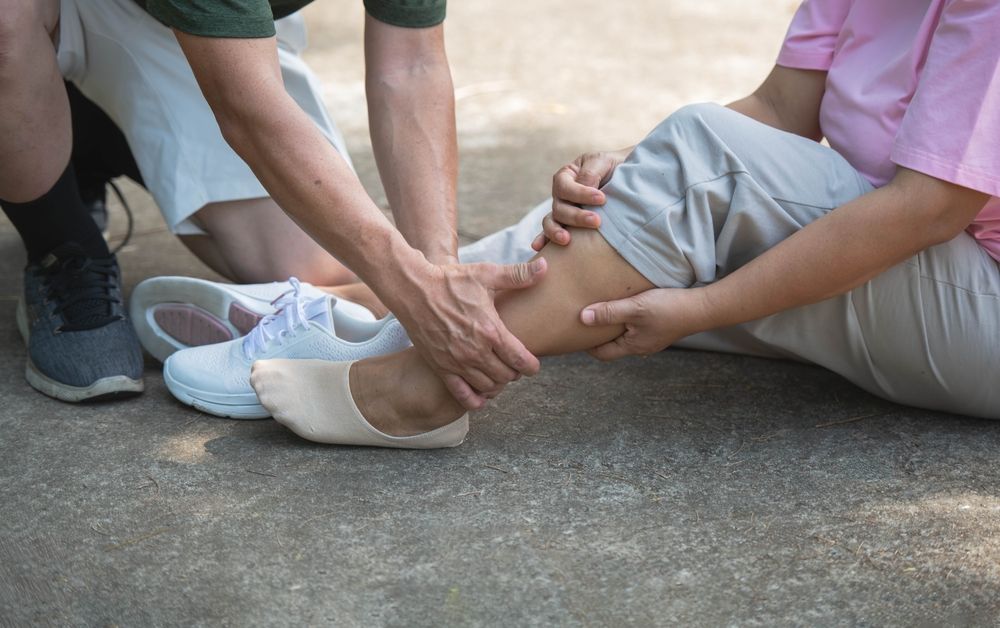
When a fall happens in a shared area at On Top of the World in Ocala, the community’s homeowners association or management company may carry liability if a hazard existed and staff knew or should have known about it. An On Top of the World slip and fall claim follows Florida’s premises liability rules, which require proof that the property manager failed to address a known or discoverable dangerous condition.
Slip and fall injuries at On Top of the World (OTOW) in Ocala happen more often than most residents expect, and the consequences for adults 55 and older are frequently more serious than a simple fall might suggest.
The community sits along the SR-200 corridor near SW 80th Avenue, with thousands of residents sharing common areas where hazard opportunities multiply every day. When a fall does happen, an Ocala slip and fall attorney may be the most direct path to understanding who bears responsibility.
Ocala, FL premises liability law applies to managed retirement communities just as it applies to any commercial property, and OTOW is not alone in this exposure. Nearby 55+ communities along the SR-200 corridor, including Stone Creek, face the same legal standard for shared-space maintenance.
Key Takeaways About On Top of the World Slip and Fall Claims
- Florida law holds property managers responsible for hazards they knew about or should have discovered through regular inspection of common areas.
- Adults over 65 face a significantly higher risk of severe injury from falls, including hip fractures and traumatic brain injuries, because of age-related bone density loss.
- A retirement community’s HOA or management company may carry a master liability policy that covers slip and fall claims on shared property.
- Florida gives most fall injury victims two years from the date of the accident to file a lawsuit, and that window starts counting immediately.
- Evidence like incident reports, surveillance footage, and neighbor witness accounts often disappears quickly, making prompt action after a fall a practical necessity.
How Bagen Law Supports On Top of the World Slip and Fall Victims in Marion County
Residents of OTOW and their families who have been through a fall injury often arrive at the same place: uncertain about whether a claim is possible and unsure how to move forward against a large community management organization.
At Bagen Law, our accident injury lawyers have handled premises liability claims in Marion County for more than four decades. Our firm’s Ocala office is at 1521 S Pine Avenue, serving clients who live throughout the SR-200 corridor and surrounding 55+ communities.
The firm operates on a contingency fee basis, and comes to clients who cannot travel due to injury. Reaching the team by phone at (352) 377-9000 or through the online form at bagenlaw.com starts the process with no financial risk.
Why Are Fall Injuries at OTOW More Serious for Residents Over 65?
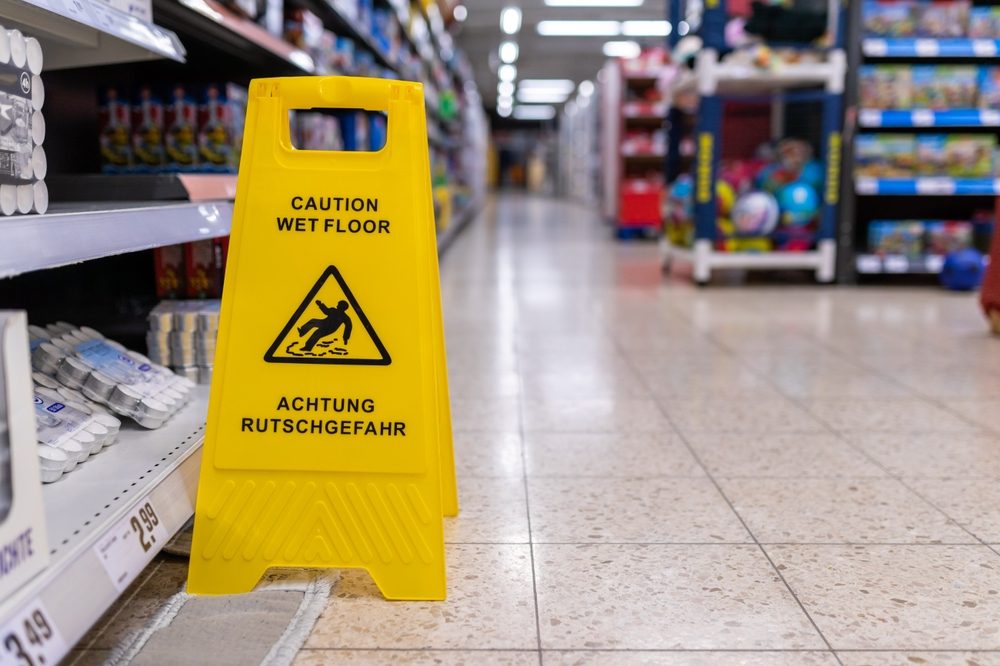
Falls at On Top of the World carry a higher injury risk for residents because adults over 65 experience significantly greater physical consequences from the same type of fall that might cause minor bruising in a younger person.
Bone density decreases with age, a condition known as osteoporosis, meaning that a slip on a wet pool deck or an uneven golf cart path may result in a hip fracture, wrist fracture, or spinal compression injury rather than a sprain.
These injuries frequently require surgery, extended rehabilitation, and long-term changes to daily function.
The Hidden Danger of Head Injuries After a Fall
Head injuries that follow seemingly minor falls are a particular concern for older adults. Research shows that traumatic brain injuries in older adults produce longer recovery timelines and more lasting effects than in younger patients, and symptoms like confusion, fatigue, or balance problems may be misread as normal aging rather than recognized as injury.
Where Do Slip and Fall Accidents Happen Most at On Top of the World?
The most common hazard locations within OTOW cluster around shared amenity areas, such as pool decks, fitness center floors, and golf cart paths. These communities see daily foot traffic from thousands of residents, and maintenance cycles do not always keep pace with the wear and exposure those surfaces absorb.
Residents who travel by golf cart between OTOW and the broader World Equestrian Center area face additional surface transition hazards where community-maintained paths meet public roadways.
Several specific locations within OTOW present elevated risk on a recurring basis:
- Pool deck surfaces: Wet tile and concrete around pool areas along the SR-200 corridor become dangerously slippery without adequate drainage and anti-slip treatment, particularly after rain or heavy pool use.
- Golf cart paths: Path surfaces that have cracked, shifted, or developed uneven edges pose tripping hazards for both pedestrians and residents exiting their carts, especially in lower-light conditions in the early morning or evening.
- Clubhouse and activity center entrances: Tracked-in rainwater near entry doors at community centers creates transitory foreign substance conditions, meaning a spill or wet floor that appears briefly but causes a fall.
- Fitness center floors: Mats that shift, curl at the edges, or fail to cover full exercise areas create tripping hazards that staff may not address between heavy usage periods.
- Landscaped walkways: Uneven paver stones, exposed tree roots, and irrigation runoff across pedestrian paths throughout OTOW’s residential sections are recurring hazard sources that require active maintenance to control.
The location of a fall matters legally because it shapes the question of who manages that specific space, what maintenance standard applies, and how often staff should reasonably have inspected the area.
Can You Sue an HOA for a Slip and Fall in a Retirement Community?
A homeowners association in Florida may be held liable for a slip and fall if the injury occurred in a common area that the HOA manages and if the association failed to keep that area reasonably safe.
At On Top of the World, the HOA and community management structure controls shared spaces, including paths, recreation facilities, and gathering areas, and that control carries a corresponding legal duty.
What Constructive Notice Means for Your OTOW Fall Claim
Constructive notice is one of the two ways to establish that a property manager knew about a dangerous condition. Actual notice means someone on staff saw or caused the hazard. Constructive notice means the hazard existed long enough that a reasonable inspection program should have caught it.
A cracked golf cart path that has deteriorated over months, or a pool deck surface that has repeatedly become slippery in wet conditions, likely meets the constructive notice standard because the management organization had time and opportunity to discover and fix the problem.
How Florida’s Modified Comparative Negligence Rule Applies to Seniors
Florida uses a modified comparative negligence rule, which means a fall victim’s compensation may be reduced by the percentage of fault attributed to them. If a court assigns 20 percent of fault to a resident for walking too quickly in a known wet area, any recovery may be reduced by that proportion.
However, residents who are more than 50 percent at fault for their own fall cannot recover at all under Florida law. Insurance adjusters frequently raise arguments about footwear, inattention, or familiarity with a known hazard specifically to shift fault toward older residents, which makes legal representation a practical asset.
What Evidence Supports a Senior Slip and Fall Claim in Ocala?
Building a strong On Top of the World premises liability claim depends on evidence gathered quickly after the fall. Surveillance footage in community facilities often operates on short retention cycles, sometimes as brief as 30 days, and physical conditions like a cracked path surface may be repaired before an independent investigation captures them.
| Evidence Type | Why It Matters | Where to Get It |
| Incident report filed with community management | Establishes the location, time, and your account before details shift | OTOW community management office |
| Photographs of the hazard and the scene | Captures surface conditions, footwear, and visible injuries in a way written descriptions cannot | Your phone, taken the same day as the fall |
| Medical records from Ocala Health or AdventHealth Ocala | Creates the chain of causation linking the fall directly to the diagnosed injury | Your treating facility’s records department |
| Neighbor and witness contact information | Fellow OTOW residents may confirm the hazard existed and establish constructive notice | Collected at the scene or shortly after |
| Maintenance request and inspection logs | May show prior staff awareness of the exact condition that caused your fall | Requested from community management or obtained through legal discovery |
How Does an OTOW Slip and Fall Attorney Build and Resolve Your Claim?
An attorney handling a retirement community premises liability claim in Ocala approaches the case through a defined sequence of investigation, documentation, and negotiation.
Investigating the Community’s Maintenance History
Attorneys subpoena maintenance logs, inspection records, and prior incident reports from OTOW’s management structure to determine whether staff had prior knowledge of the hazard.
Calculating the Full Scope of Damages for an Older Adult
An attorney accounts for surgical costs, physical therapy, home health aide services, assistive device expenses, and the long-term financial impact of reduced mobility or independence.
A hip fracture that requires surgery at AdventHealth Ocala may be followed by weeks of inpatient rehabilitation, then months of outpatient physical therapy, then a permanent need for assistive devices or home modifications. Each stage carries its own cost, and those costs compound when a resident loses the ability to live independently and requires paid home health support. An attorney builds a damages picture that captures all of it, not just the initial hospital bill.
Managing the Insurance Company’s Response
HOA master liability policies are structured to protect the association, and adjusters handling those policies operate accordingly. Recorded statements, requests for prior medical records, and quick settlement offers are common tools adjusters use to limit exposure early in the process. An attorney intercepts these communications, advises on what to provide and what to decline, and negotiates from a position built on documented evidence rather than an informal account of the fall.
FAQ for On Top of the World Slip and Fall Ocala
Florida’s statute of limitations for most slip and fall personal injury claims is two years from the date of the fall. That window begins immediately, regardless of when symptoms become apparent or when a diagnosis confirms the severity of the injury.
Liability for a fall on a golf cart path at OTOW may rest with the HOA, the community management company, or a third-party maintenance contractor, depending on who controls and maintains that specific area. Determining the correct responsible party requires reviewing maintenance contracts and management agreements, which an attorney can request and analyze as part of the investigation.
Familiarity with a hazard may be raised by an HOA insurer as a basis for assigning partial fault to a resident under Florida’s modified comparative negligence rule, but familiarity alone does not eliminate a claim.
Denial is a standard opening position by HOA management and insurance carriers, but it is not the end of a claim.
Florida premises liability law applies equally to retirement communities, but the medical and damages analysis in a senior fall case differs substantially from a younger claimant’s case.
Take Action After an On Top of the World Slip and Fall in Ocala

A fall at OTOW does not have to define what comes next for you or your family. Bagen Law Accident Injury Lawyers, P.A. offers free case reviews, comes to you if you cannot travel, and charges nothing unless the case resolves in your favor.
Call the Ocala office at (352) 377-9000 or submit a case review through the contact form to get a clear picture of your options now.