

Kyle Bagen | June 16, 2026 | bicycle accident \ Personal Injury

Quick Answer: When Should You Contact a Paddock Mall Bicycle Accident Lawyer in Ocala?
A Paddock Mall bicycle accident claim in Ocala involves questions about driver negligence, right of way, and insurance coverage. Speaking with an Ocala bicycle accident lawyer soon after a crash helps protect evidence, identify liable parties, and address insurance issues connected to the SR-200 retail corridor.
The Paddock Mall Area Presents Ocala’s Most Challenging Conditions for Bicycle Accidents
A Paddock Mall bicycle accident in Ocala case starts with a simple trip through one of the busiest shopping areas in Marion County. Along SR-200 and SW College Road, cyclists share space with heavy retail traffic, delivery vehicles, rideshare drivers, and shoppers moving between major intersections.
The challenge is not only the collision itself. Many bicycle claims near Paddock Mall involve disputes about right of way, turning vehicles, lane changes, and whether a driver saw a cyclist before entering traffic.
An Ocala bicycle accident lawyer investigates how the collision occurred, preserves evidence, and helps connect the facts of the crash to the damages a cyclist suffered. Taking action early preserves surveillance footage, witness accounts, and crash scene evidence that may not remain available for long.
Key Takeaways for Paddock Mall Bicycle Accident Ocala
- The SR-200 retail corridor creates unique risks for cyclists because constant traffic entering and leaving shopping centers creates conflict points.
- Evidence disappears quickly after a bicycle accident near Paddock Mall.
- Liability involves drivers, commercial vehicle operators, or multiple parties.
- Insurance disputes focus on visibility, right of way, and comparative fault.
- Early investigation strengthens a bicycle injury claim.
The Hidden Risks of Paddock Mall Bicycle Accident Ocala Claims
A paddock mall bicycle accident Ocala claim involves more than a simple collision report. The commercial corridor surrounding Paddock Mall, Heath Brook, SW 27th Avenue, and SW 38th Street creates multiple points where vehicles and cyclists cross paths.
Drivers focus on store entrances, parking lot traffic, and turning movements. Cyclists travel through bike lanes, shoulder areas, crosswalk connections, and roadway crossings that place them near vehicles entering or leaving shopping centers.
Several recurring factors appear in bicycle crashes throughout West Ocala.
- Turning Vehicle Collisions: Drivers focus on vehicle traffic and overlook cyclists approaching from the side.
- Failure-To-Yield Events: Drivers enter intersections before checking for bicycles crossing legally.
- Parking Lot Conflicts: Retail parking areas create numerous points where vehicles intersect with bicycle traffic.
- Multi-Lane Crossing Risks: Six-lane sections of SR-200 increase exposure time for cyclists crossing traffic.
- Visibility Issues: Large vehicles and landscaping features block sight lines.
How Does Bagen Law Help After an SR-200 Bicycle Crash?
An SR-200 bicycle crash produces questions about fault, insurance coverage, and evidence preservation. Bagen Law focuses on Ocala personal injury claims and handles cases involving bicycle accidents throughout Ocala and Marion County.
Investigating the Cause of the Crash
Lawyers review crash reports, witness statements, photographs, and available surveillance footage. Retail areas near Paddock Mall contain businesses with cameras that capture relevant evidence.
Managing Insurance Communications
Insurance adjusters request statements early in the process. Legal representation allows the injured cyclist to focus on recovery while the claim proceeds through the insurance process.
Evaluating Damages
A bicycle accident claim involves more than emergency treatment costs. Lost income, future medical needs, and long-term physical limitations affect claim value.
Preparing for Litigation When Needed
Some claims resolve through negotiations. Other cases require formal litigation when parties dispute liability or damages.
Strong preparation shapes the direction of a claim long before a lawsuit enters the picture.
Why Do Bicycle Crashes Happen Along SW College Road?
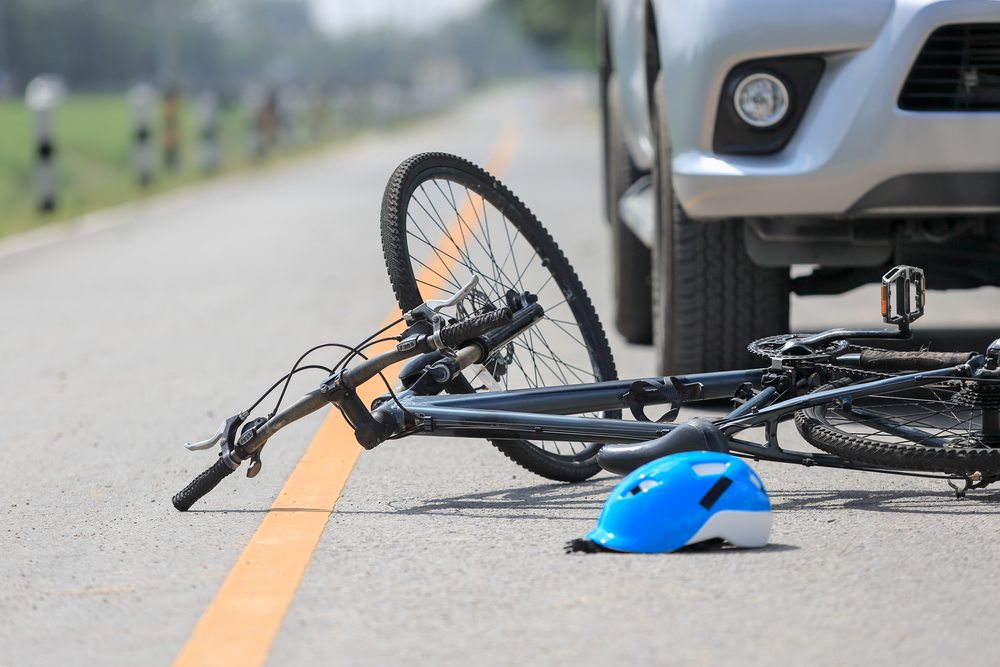
Bicycle crashes happen along SW College Road because the corridor combines retail traffic, residential traffic, and commuter traffic within a relatively small area. Drivers enter and exit shopping centers while cyclists move through the same space.
Traffic volume increases near Paddock Mall, Heath Brook, and major intersections throughout the corridor.
High-Turn Traffic Patterns
Drivers make frequent right and left turns into stores, restaurants, and service businesses. Each turn creates another potential conflict point.
Commercial Corridor Design
A commercial corridor places numerous driveways and access roads close together. Drivers divide their attention between traffic signals and business entrances.
Increased Delivery Traffic
Delivery vehicles stop, turn, and merge throughout the day. Those movements can place cyclists in unexpected conflict zones.
Residential Connectivity
Residents from nearby communities use bicycles for transportation, exercise, and errands. That activity increases bicycle exposure throughout the corridor.
Understanding how these collisions occur helps establish fault and identify contributing factors that support a claim.
Bicycle Injuries From Paddock Mall and SR-200 Crashes Require Long-Term Care
Bicycle injuries from a Paddock Mall area bike accident extend far beyond the emergency room visit. Cyclists have little protection during a collision, so even a crash at moderate speeds along SR-200 or SW College Road results in injuries that affect daily activities, work responsibilities, and physical mobility for months.
The force of a collision throws a cyclist onto the roadway, into another vehicle, or against a fixed object. Medical providers evaluate not only the obvious injuries but also conditions that take days to fully develop.
Head Injuries Affect More Than Physical Recovery

Head injuries remain one of the most serious concerns after a bicycle crash. Even when a cyclist wears a helmet, the brain moves inside the skull during impact.
A traumatic brain injury can lead to:
- Memory problems
- Difficulty concentrating
- Persistent headaches
- Balance issues
- Changes in mood or sleep patterns
Symptoms appear immediately, while others become noticeable only after the injured cyclist returns to work or daily activities.
Fractures Create Lasting Limitations
Broken bones occur in bicycle accidents because riders instinctively extend their arms during a fall. Wrists, collarbones, shoulders, ribs, hips, and legs commonly absorb the force of impact.
Some fractures heal with immobilization and therapy. More severe breaks require surgery, hardware implantation, or extended rehabilitation. Recovery periods affect a person’s ability to work, drive, or perform routine tasks.
Soft Tissue Injuries Can Become Persistent Problems
Many cyclists expect visible injuries after a crash, but soft tissue injuries create some of the longest recovery periods. Damage to muscles, tendons, and ligaments limits movement and causes ongoing discomfort.
Common examples include:
- Shoulder strains
- Neck injuries
- Back injuries
- Knee ligament damage
- Rotator cuff injuries
These injuries do not always appear on standard imaging tests, yet they continue affecting mobility long after the collision.
What Evidence Helps Prove a Paddock Mall Area Bike Accident Claim?
Evidence helps prove a Paddock Mall area bike accident claim by showing how the crash occurred and who contributed to it. Retail corridors generate several forms of useful evidence.
- Crash Reports: Officers document observations, roadway conditions, and involved parties.
- Witness Statements: Independent witnesses provide valuable perspectives.
- Surveillance Footage: Businesses near Heath Brook, Paddock Mall, and the SW College Road corridor often maintain private surveillance systems. Lawyers frequently send preservation letters to prevent valuable footage from being overwritten before the claim is investigated.
- Scene Photographs: Images preserve roadway conditions and vehicle positions.
- Vehicle Damage Documentation: Impact locations help explain how a collision occurred.
Evidence preservation becomes urgent when businesses routinely overwrite surveillance footage. Prompt action helps preserve information before it disappears.
Who Is Liable for a Bicycle Accident Near Paddock Mall?
Liability for a bicycle accident near Paddock Mall centers on the facts surrounding the collision. Drivers, commercial operators, and multiple parties could share responsibility.
Florida follows a modified comparative fault system. That approach evaluates each party’s role in causing the crash.
| Crash Scenario | Potentially Responsible Party | Evidence Used |
| A driver turns across a cyclist’s path while entering or leaving a shopping center along SR-200 near Paddock Mall or SW 27th Avenue. | The turning driver. | Surveillance footage, witness statements, and the crash report help show how the collision occurred. |
| A vehicle exits a parking lot and enters traffic without yielding to a cyclist. | The driver leaving the parking lot. | Security camera footage, scene photographs, and witness accounts help establish liability. |
| A delivery van strikes a cyclist while making a work-related stop along SR-200. | The driver and, in some situations, the employer share responsibility depending on the facts. | Employment records, vehicle information, and crash documentation become relevant. |
| A driver changes lanes on SW College Road and collides with a cyclist traveling beside traffic. | The lane-changing driver. | Vehicle damage, traffic camera footage, and witness statements help clarify fault. |
| Multiple vehicles contribute to a bicycle crash near a busy intersection. | More than one driver under Florida’scomparative fault rules. | Photographs, witness testimony, and crash scene evidence help determine each party’s role. |
How Do Traffic Cameras and Police Reports Affect an SR-200 Bicycle Crash Case?
Traffic cameras and police reports help reconstruct how an SR-200 bicycle crash occurred. Investigators compare official records with surveillance footage from nearby businesses to understand vehicle movements, right-of-way issues, and driver behavior.
Official records rarely tell the entire story, but they provide a useful starting point.
Before evaluating liability, investigators commonly review:
- Officer Observations: Officers document conditions studied at the scene.
- Driver Statements: Initial statements later become relevant.
- Witness Information: Reports identify independent witnesses.
- Roadway Conditions: Officers note visibility and traffic factors.
- Diagram Evidence: Scene diagrams clarify vehicle movement.
A police report does not determine fault by itself. Investigators compare the report with photographs, surveillance footage, and witness accounts before reaching broader conclusions.
Moving a West Ocala Cyclist Accident Claim Toward Resolution
A West Ocala cyclist accident claim requires consistent documentation and strategic case development. Insurance carriers evaluate both liability and damages before considering settlement discussions.
Building the Liability Case
Lawyers gather evidence, identify witnesses, and analyze roadway conditions. The goal involves showing how the collision occurred and why it happened.
Documenting Financial Losses
Lost income, medical expenses, and future treatment needs require detailed support. Medical records, wage records, and future treatment documentation establish the value of a claim.
Managing Settlement Negotiations
Settlement discussions typically focus on liability evidence and damages documentation.
Preparing for Court When Necessary
Some disputes continue beyond negotiations. Litigation provides another path for resolving contested issues.
Many cyclists discover that the strongest cases begin with detailed preparation rather than courtroom arguments.
FAQ for Paddock Mall Bicycle Accident Ocala
Here are answers to some common questions riders have about gathering and using evidence after a motorcycle crash.
Liability depends on the facts of the crash. Drivers, commercial vehicle operators, or multiple parties share responsibility.
Compensation can include medical expenses, lost income, future treatment costs, and other documented damages connected to the collision.
Yes. Surveillance footage provides objective evidence about vehicle movement, traffic conditions, and right-of-way issues.
Six-lane sections of SR-200 expose cyclists to longer crossing distances, while busy entrances near Heath Brook, SW 27th Avenue, and SW 38th Avenue create constant turning conflicts that increase the risk of side-impact collisions.
Crash reports, photographs, medical records, insurance information, and witness contact details help a lawyer evaluate the claim.

Speak With an Ocala Bicycle Accident Lawyer About a Paddock Mall Bicycle Accident Ocala Claim
Bagen Law has represented injured people throughout Ocala and Marion County for decades. Whether the collision involved a turning vehicle, a parking lot entrance, or a busy intersection near Heath Brook, the firm can evaluate the facts and discuss potential legal options.
Call (800) 224-3652 or complete the online contact form to speak with an Ocala bicycle accident lawyer about your case.